Did you know over 6.2 million veterans in the United States get disability benefits from the Department of Veterans Affairs (VA)? Lately, there’s been a lot of talk after more than 1,000 staff members lost their jobs. This has made many worry about the future of government aid.
But VA Secretary Doug Collins says not to worry. He assures us that veterans disability compensation is safe, even with the job cuts. The VA says it will keep giving out benefits as planned, starting on March 3. Yet, some are worried about changes coming with Project 2025 that might affect current recipients.
In the next parts, we’ll look closer at the challenges facing disability benefits. We’ll talk about the effects of job cuts and the role of the Department of Veterans Affairs.
Key Takeaways
- Over 6.2 million veterans currently receive disability benefits.
- Over 1,000 jobs have been cut from the VA, raising concerns about government aid.
- Secretary Doug Collins reassured that veterans disability compensation will remain intact.
- Mission-critical positions are protected from cuts despite staffing reductions.
- Benefits for survivors of deceased veterans are being honored.
- Upcoming benefit payments are scheduled for March 3.
Current Challenges Facing Disability Benefits
The world of disability benefits is facing big challenges. These issues affect how well services are delivered and support for those who need it. Getting to these benefits quickly and effectively is getting harder, mainly because of staffing problems in the agencies that run these programs.
Impact of Staffing Reductions on Delivery of Services
Staffing cuts at places like the Social Security Administration are causing concern. With fewer workers, the quality of service might drop. It’s key to process claims and answer questions fast for those who count on disability benefits to live.
A smaller team could mean longer waits for claims. In 2022, 8.95 million people got about $146 billion in benefits. This shows how important a strong team is.
Concerns from Veterans Advocacy Groups
Veterans groups are worried about these staffing issues. They stress the need for steady support and clear communication for veterans with disability claims. Many veterans rely on these benefits to survive, making it critical to address these concerns.
The risk of mistakes and delays could harm veterans who need these benefits fast. This is why advocacy is so important.
The Role of the Department of Veterans Affairs
The Department of Veterans Affairs is key in supporting our veterans. It provides essential benefits for their care. This department is the main source of help for those who served.
VA Secretary Doug Collins’ Assurance to Veterans
VA Secretary Doug Collins has promised to keep providing top-notch benefits and healthcare to veterans. He wants to clear up any false rumors about cutting these services. Collins says that the VA is focusing on improving what it already offers, not reducing it.
Maintaining Mission-Critical Positions
The VA is also working hard to keep about 300,000 important jobs. This is to prevent any service problems. Collins encourages veterans to get accurate information from the VA, fighting off false rumors.
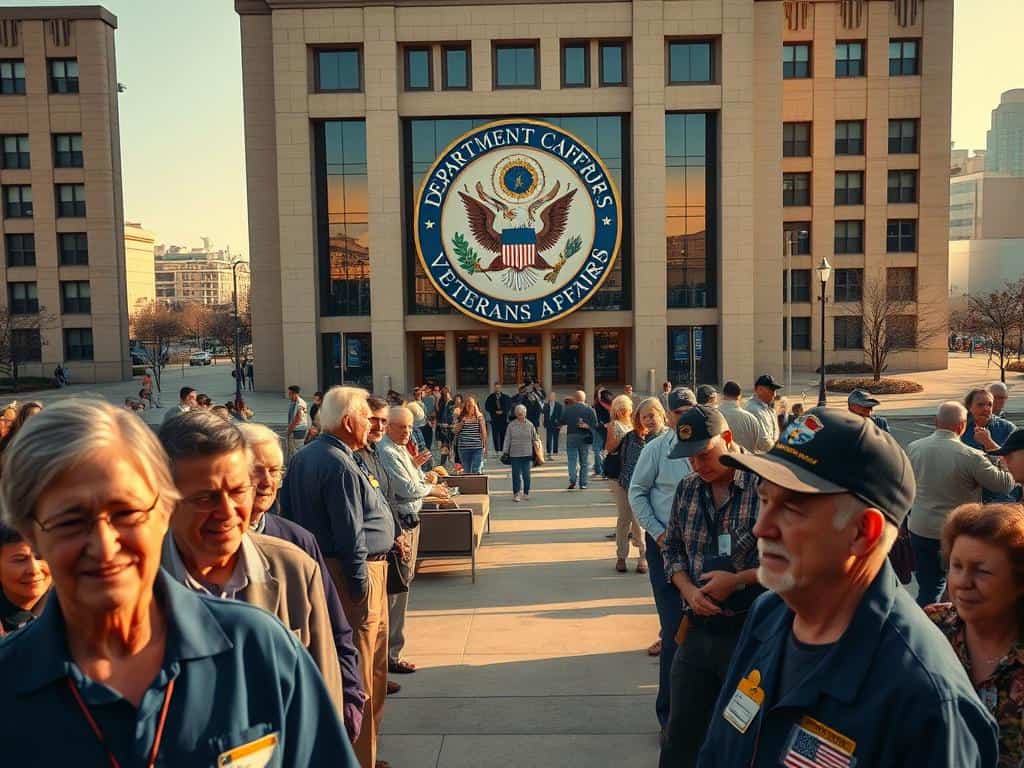
Disability Benefits and Government Funding
The relationship between disability benefits and government funding is critical, with budget cuts looming. It’s important to understand how these changes affect programs like social security and disability compensation. Despite concerns, it seems that aid systems are stable for now, with no immediate cuts in payments.
Understanding Budget Cuts and Their Implications
Budget cuts can affect those who depend on financial help. Disability compensation is structured to stay stable during these times. Budget talks raise worries about Social Security, which is key for people with disabilities.
These discussions highlight the need to watch spending closely. Changes could impact services for the disabled and veterans.
The Future of Social Security and Other Support Systems
Social Security is a lifeline for many with disabilities, through SSDI and SSI. Advocates are fighting to keep these programs funded. Budget worries mean we must protect these vital services.
Discussions about funding suggest changes might come. But, it’s important to keep these resources available for those who need them most.
Conclusion
The state of disability benefits in the U.S. faces many challenges. These include staffing shortages and changes in government funding. But, I’m hopeful about the Department of Veterans Affairs’ dedication to these services.
The VA is working hard to reassure veterans that their needs are a priority. They aim to deliver benefits reliably. This is good news for those who have served.
It’s important for veterans and their families to stay up to date. Misinformation can confuse people about what resources are available. The VA needs to keep the lines of communication open.
This helps build trust and encourages people to use the government help they can get. Veterans support groups are key in this effort. They make sure veterans’ rights and needs are protected.
Looking ahead, the future of disability benefits depends on all of us working together. I hope we can overcome these challenges. Together, we can make sure veterans get the support they deserve. This shows our commitment to their dignity and well-being.

