I remember sitting in a cramped corner of a local café last spring, my blue and green pens frantically mapping out the chaotic feedback loops of my first backyard plot on a grease-stained napkin. I had been sold this lie that learning how to start a vegetable garden required a PhD in botany and a thousand-dollar investment in specialized irrigation systems. The gardening industry loves to sell you complexity—expensive gadgets, proprietary soil blends, and endless checklists—as if you’re trying to launch a satellite rather than simply coaxing life from the earth. In reality, most of that “expert” advice is just noise designed to obscure the elegant, simple mechanics of biology.
I’m not here to sell you a lifestyle brand or a complicated manual of rules. Instead, I want to help you view your patch of dirt as a living, breathing system that you can learn to navigate through observation and intuition. We are going to strip away the commercial hype and focus on the fundamental connections between sunlight, moisture, and nutrients. By the end of this, you won’t just know the mechanics of how to start a vegetable garden; you’ll possess the systemic insight to manage one with confidence and ease.
Mastering Vegetable Garden Soil Preparation and Substrate Dynamics
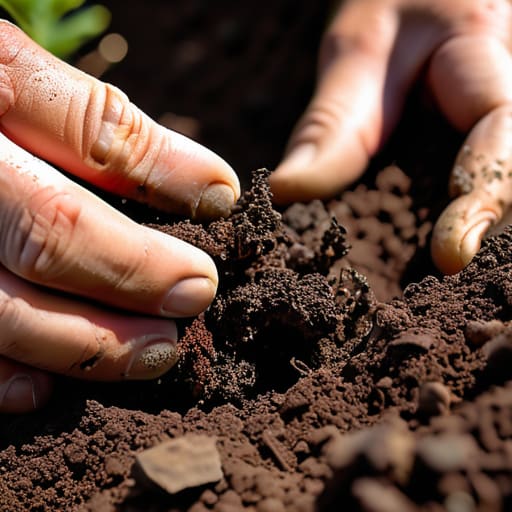
I remember sitting in a small cafe in Santa Fe, sketching out the subway interchanges of my childhood city with a blue gel pen, realizing that a system is only as strong as its foundational nodes. In a garden, those nodes are your microbes and minerals. When we dive into vegetable garden soil preparation, we aren’t just mixing dirt; we are engineering a living, breathing substrate. You have to view the soil not as a static medium, but as a high-stakes feedback loop where nutrient availability and drainage dictate the entire system’s equilibrium.
If you’re leaning toward raised bed gardening tips to gain more control over this chaos, you’re essentially building a closed-loop environment. This allows you to curate the exact density and porosity required for your specific micro-climate. By layering organic matter, you’re introducing complexity that mimics a natural forest floor, ensuring that the subterranean architecture supports the heavy lifting of root development. It’s about creating a stable foundation so that when you eventually introduce your crops, they aren’t fighting the environment, but rather thriving within its design.
Selecting the Best Vegetables for Beginners Within Your Ecosystem
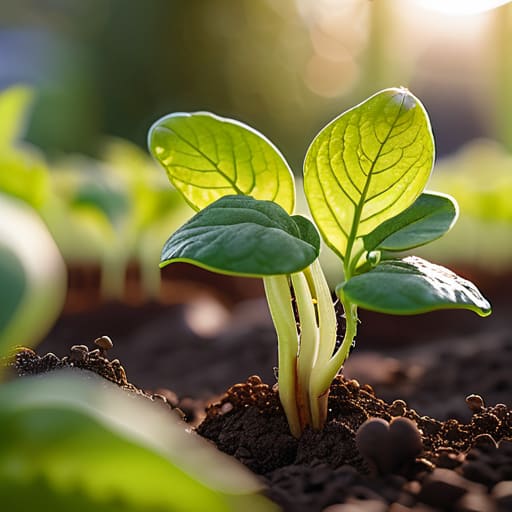
Once you’ve wrestled with the substrate dynamics and stabilized your soil, you’re standing at the threshold of the labyrinth. This is where most people stumble—they treat a garden like a grocery list rather than a living network. If you want to avoid early burnout, you shouldn’t just pick what looks tasty; you need to select the best vegetables for beginners that possess a certain level of systemic resilience. I always tell my clients to look for “keystone species”—plants like radishes, zucchini, or bush beans. These are the hardy nodes in your garden’s network that can withstand a bit of chaos while you’re still learning to read the environmental feedback loops.
Think of your garden as a series of interconnected nodes. Instead of planting in isolated rows, consider the concept of companion planting for vegetables. For instance, tucking marigolds near your tomatoes isn’t just a decorative whim; it’s a strategic move to introduce biological deterrents into your local ecosystem. By choosing plants that naturally support one another, you aren’t just growing food; you are designing a self-regulating system that requires less manual intervention and more thoughtful observation.
Mapping the Micro-Climates: Five Tactical Maneuvers for Garden Success
- Observe the solar choreography of your yard before you lift a single shovel; a garden isn’t just a patch of dirt, it’s a high-stakes game of light-capture where a few hours of shade can turn your ambitious tomato dreams into a slow-motion tragedy.
- Design for fluid dynamics by planning your irrigation and drainage paths early, ensuring that water flows through your system like a well-mapped subway line rather than creating stagnant pools that drown your hard work.
- Embrace the concept of “companion planting” as a form of biological networking, where you pair certain species to act as natural sentinels or nutrient-boosters, effectively creating a self-regulating social web within your garden beds.
- Start with small, manageable modules rather than attempting to terraform your entire backyard at once; it’s much better to master the intricate feedback loops of a single raised bed than to become overwhelmed by the entropic chaos of a sprawling, unmanaged field.
- Build a feedback loop of constant observation, treating every wilted leaf or unexpected pest as a data point in a larger, living system that is teaching you exactly how to tune your environment for the next season.
Navigating the Green Labyrinth
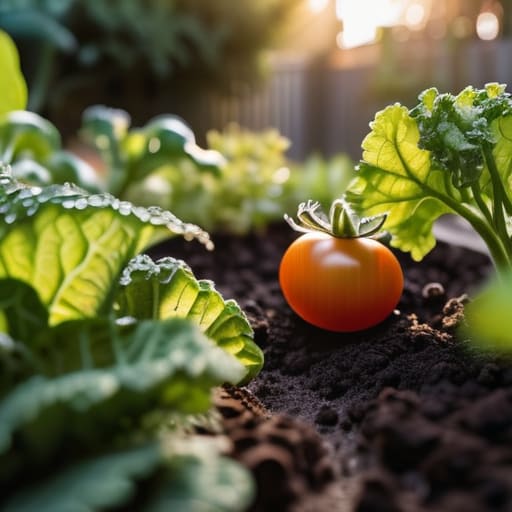
As we pull back the curtain on this particular system, it becomes clear that gardening is far more than a checklist of chores; it is a delicate calibration of variables. We’ve navigated the subterranean architecture of soil dynamics and carefully selected the biological components that best fit your local microclimate. By viewing your garden not as a collection of isolated plants, but as a tightly coupled network of nutrients, moisture, and light, you move from being a mere spectator to an active participant in a living cycle. Remember, the goal isn’t to force the earth into submission, but to harmonize your intentions with the existing feedback loops of your specific patch of dirt.
I often find myself sitting in local cafes, sketching out the chaotic, beautiful connections of urban transit maps with my blue and green pens, marveling at how even the most complex mazes have a rhythm. Your garden will be no different. There will be seasons of unexpected turbulence—a sudden pest invasion or a drought that defies your irrigation logic—but these are simply data points in a larger, evolving design. Don’t fear the chaos; embrace the iterative process of learning. Once you stop trying to control every outcome and start learning to read the patterns, you’ll realize that the most rewarding harvests aren’t just the vegetables on your plate, but the clarity you find while wandering through the garden’s beautiful, unpredictable complexity.
As you begin to map out these biological connections, you’ll quickly realize that even the most meticulously planned garden can encounter unpredictable feedback loops—a sudden pest invasion or a localized nutrient deficiency can throw your entire system out of equilibrium. I’ve found that the best way to navigate these micro-fluctuations is to lean on the collective intelligence of others who are already deep in the trenches of their own backyard ecosystems. If you ever feel like you’re wandering a bit lost in the weeds, I highly recommend checking in with this community; they are an incredible resource for crowdsourcing solutions to those pesky, real-world variables that no textbook can quite predict. It’s much easier to solve the puzzle when you have a shared network of observers helping you decode the signals your plants are sending.