In 2023, the U.S. had over 300,000 vacant teaching positions. This is a big problem for our education system. It makes us wonder if we’re preparing the next generation for success.
Dropout rates are high, and student debt is overwhelming. Both teachers and students are unhappy. It shows our current way of teaching isn’t working.
Students often feel they’re not ready for the real world. This feeling comes from deep problems in our schools. There’s a big gap between what schools teach and what students need to know.
Many are calling for school reform. Experts say we need to change how we teach. They suggest using methods that focus on mental health and well-being.
Key Takeaways
- Over 300,000 teaching positions are currently vacant in the U.S.
- U.S. teachers earn 20% less than their college-educated peers.
- 15% of students fail to graduate on time, specially those from disadvantaged backgrounds.
- 75% of elementary students view recess as their favorite part of the day.
- 70% of parents think the education system stifles creativity.
The Outdated Framework of Our Education System
Our education system, rooted in the Industrial Revolution, is outdated. It fails to meet today’s learners’ needs. It was designed to make compliant workers, not foster creativity and critical thinking.
This rigid framework hinders personalized and adaptive learning. It stifles diverse learning styles. Students often feel trapped in a one-size-fits-all approach, leading to disengagement.
Historical Context and Its Impact on Learning Styles
The traditional framework reflects an era valuing conformity over individuality. Yet, society and job markets have evolved faster than our education. This gap causes many students to feel their learning styles are not met.
Student discontent grows as they’re forced into standardized instruction. The National Assessment of Educational Progress (NAEP) shows reading and math scores for 13-year-olds have dropped. This highlights the need for a systemic change in our education system.
Growing Discontent Among Students
Trust in our education system is declining. 93% of students feel it doesn’t prepare them for careers. The system focuses on rote memorization, not skill development.
Students often just aim to pass exams, leading to poor retention. Industries face talent shortages in problem-solving and creativity. This gap shows a need for a system that adapts to future skills.
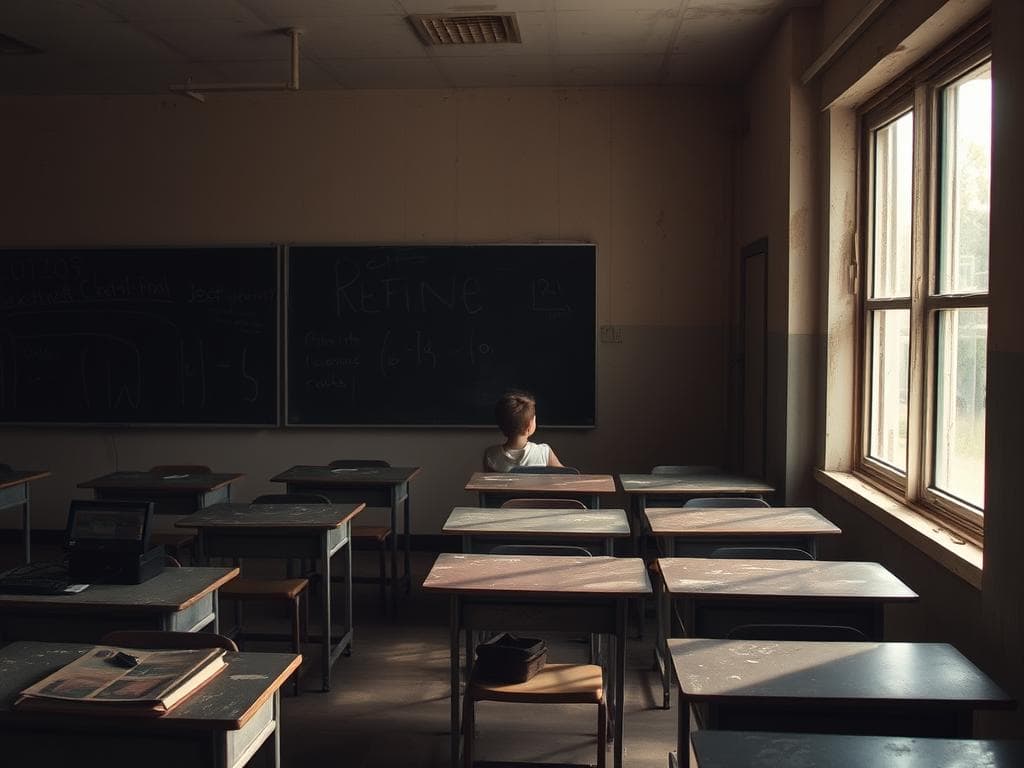
Education System Failures
The current education system has big problems that hurt students’ well-being and learning. I’ve seen how too much academic pressure can be very hard on students. Studies show that many students feel too stressed, which can badly affect their mental health.
A report from Worcester Polytechnic Institute found that many students can’t handle the academic demands. Sadly, this stress can lead to serious problems, like suicides. It’s clear we need to rethink what success means in education.
Standardized tests also play a big role in these issues. For over 2,000 years, they’ve been used to measure student success. But, their true impact is concerning. The push for high scores leads to a focus on memorization, not creativity or critical thinking.
This means students are not as good at solving complex problems. In math and reading, they often fall behind students in other countries. Recent data shows that American 13-year-olds are scoring lower than ever before.
Despite spending nearly $200 billion on K-12 education, student performance hasn’t improved. The way schools are funded, mainly through local property taxes, makes things worse. It’s unfair to students who don’t have as much money.
We need to change how we think about education. We should focus on learning that makes students whole, not just on test scores. This is key to improving both academic success and mental health.

