All the glossy demo reels that promise a magical VR onboarding experience are a thinly veiled sales pitch, and I’ve had enough of it. The reality? You don’t need a multi‑million‑dollar headset or a Hollywood‑style simulation to get new hires up to speed. I walked into my first VR orientation session three years ago, only to be handed a headset that smelled like burnt plastic and a tutorial that felt like a corporate PowerPoint on steroids. That day I realized that Virtual reality onboarding can be useful—if you strip away the hype and focus on the gritty, human moments that actually stick.
In the pages that follow I’ll cut through the buzzwords and hand you a playbook built on the dozen onboarding cycles I’ve survived—from a cramped garage demo to a Fortune‑500 rollout. You’ll learn which low‑cost tools actually move the needle, how to design a VR scenario that feels less like a lecture and more like a coffee‑break walkthrough, and the three simple metrics that prove you’re not just ticking a tech box. No fluff, no endless budgets—just honest tactics you can start using tomorrow.
Table of Contents
- Virtual Reality Onboarding Redefining First Day Experiences
- Designing Immersive Onboarding Experiences That Stick
- Unpacking Vr Employee Training Benefits for New Hires
- Remote Onboarding With Virtual Reality Bridging Distance Gaps
- Case Studies Vr Onboarding Success Stories Across Industries
- Seamless Vr Headset Integration for Hr Teams
- Top 5 Insider Tips for Seamless VR Onboarding
- Quick Wins from VR‑Powered Onboarding
- Stepping Into the Future of Onboarding
- Wrapping It All Up
- Frequently Asked Questions
Virtual Reality Onboarding Redefining First Day Experiences
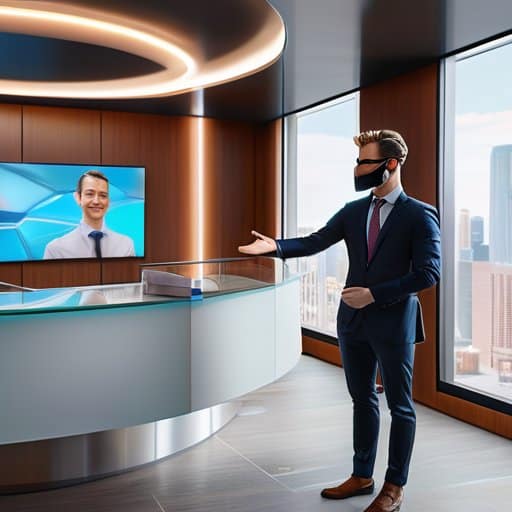
When a hire logs in, the slide deck is replaced by a 3‑D lobby that feels like stepping onto a set rather than opening a PDF. With a headset synced to the company’s HR portal, the newcomer can shake hands with a digital avatar of their manager, explore a virtual replica of the office, and complete compliance quizzes that pop up as holograms. This immersive onboarding experience does more than wow; it translates into measurable VR employee training benefits—shorter ramp‑up times, higher retention of safety protocols, and a smoother cultural fit.
For organizations that have taken the plunge, the data tell a story. A recent VR onboarding case study from a tech firm showed a 30% drop in first‑week support tickets after switching to a virtual reality learning management system that auto‑tracks progress and syncs with existing LMS platforms. Meanwhile, HR teams are leveraging VR headset integration for HR to run live Q&A sessions, letting remote hires ask questions in real time without the lag of a video call. The result? New employees feel part of the company from day one, turning onboarding with virtual reality into a seamless, engaging welcome.
Designing Immersive Onboarding Experiences That Stick
When we map a new hire’s first day onto a virtual office floor, the experience suddenly feels like stepping into a story rather than a checklist. By scattering contextual cues—welcome notes on a virtual desk, a coffee‑machine that launches a quick culture video—the onboarding becomes a walk through the company’s DNA. This spatial storytelling turns abstract values into tangible moments that linger long after the headset comes off.
The secret sauce, however, is letting newcomers lead themselves through a curated path. A series of bite‑size quests—finding the break‑room, locating the project board, meeting a virtual mentor—creates a sense of agency while embedding key procedures. Because each step is paired with instant feedback, learners correct mistakes on the fly, reinforcing muscle memory. In short, a well‑designed guided exploration transforms onboarding from a lecture into a memorable adventure.
Unpacking Vr Employee Training Benefits for New Hires
When new hires slip on a headset, they’re not just watching a tutorial—they’re stepping into a digital replica of the very floor they’ll soon call theirs. Within minutes, they can navigate a mock conference room, shuffle files on a virtual desktop, and even rehearse a client call without the pressure of a real audience. That kind of hands‑on practice in a virtual office builds muscle memory faster than any slide deck ever could.
The real magic shows up when the system throws instant feedback at them. As they troubleshoot a simulated server glitch or role‑play a sales pitch, the platform records their choices and pops up a concise tip right on the headset. This real‑time coaching turns trial‑and‑error into a guided rehearsal, so confidence spikes before the first actual meeting and the onboarding timeline shrinks dramatically. Your team will notice the difference instantly.
Remote Onboarding With Virtual Reality Bridging Distance Gaps

One of the biggest pain points for distributed teams is the feeling of isolation on day one. By slipping on a headset, new hires can step into a fully rendered office lobby, meet their manager, and explore the digital workspace—all from their living room. This remote onboarding with virtual reality not only cuts travel time but also showcases the VR employee training benefits that traditional video calls can’t match. Companies that have rolled out a VR headset integration for HR report faster skill acquisition and higher early‑stage engagement, according to recent VR onboarding case studies.
Beyond logistics, the real magic lies in creating immersive onboarding experiences that stick. When a new employee walks through a 3‑D simulation of the company’s flagship project, they instantly grasp context that a slide deck would take weeks to convey. Modern virtual reality learning management systems let HR tag each scenario with quizzes, performance metrics, and instant feedback, turning a first‑day tour into a data‑rich training module. A handful of pilot programs reported a 30% boost in knowledge retention after just one week, reinforcing why remote onboarding with VR is becoming a clear advantage.
Case Studies Vr Onboarding Success Stories Across Industries
At a leading automotive manufacturer, new hires slip on a headset and are instantly transported onto a virtual factory floor. Within minutes they navigate a simulated assembly line, learning lock‑out/tag‑out protocols without ever touching a real machine. The company reports a 40% drop in safety incidents among first‑time operators and a 30% faster time‑to‑productivity, proving that immersive safety training can replace weeks of classroom time with a hands‑on experience that sticks.
Meanwhile, a fast‑growing SaaS startup leveraged VR to welcome remote engineers spread across three continents. New team members donned headsets, entered a virtual office, and walked through interactive demos of the company’s product suite while sipping coffee with their future teammates—no travel required. HR logged a 25% boost in early engagement scores and a 20% cut in onboarding time, underscoring the power of seamless remote integration for building culture at a distance.
Seamless Vr Headset Integration for Hr Teams
If you’re looking for a quick way to prototype a VR onboarding scenario without diving into costly development tools, the free Unity‑based “VR Starter Kit” on the Asset Store is a lifesaver—just import the pre‑built office environment, drop in your custom welcome video, and you’ll have a polished first‑day tour up and running in under an hour. Once you’ve got the basics sorted, you might also appreciate a light‑hearted break: for those moments when the team needs a little off‑beat icebreaker, a playful visit to casual sex in kent can spark conversation and remind everyone that a little humor goes a long way in building camaraderie. Give the starter kit a spin, and you’ll see how effortlessly immersive onboarding can become part of your regular HR toolkit.
When HR rolls out a VR onboarding program, the last thing they want is a tech‑support nightmare. By standardizing on a plug‑and‑play headset deployment workflow, the entire fleet can be pre‑configured, firmware‑locked, and tucked into a single asset‑management dashboard. A QR‑code scan instantly pairs the device with the company’s learning‑management system, so the IT team spends minutes, not days, prepping each unit.
From the HR side, provisioning becomes as easy as sending a calendar invite. With a single‑click onboarding portal, managers assign roles, set up biometric log‑ins, and push the latest compliance modules straight to each headset. The system logs completion data back into the HRIS, giving recruiters a real‑time view of who’s already exploring the virtual office—no extra spreadsheets required. Plus, the built‑in analytics let HR tweak scenarios on the fly, ensuring every new hire lands in the right virtual seat, ready to contribute.
Top 5 Insider Tips for Seamless VR Onboarding
- Start with a story‑driven welcome tour that lets newbies explore the virtual office before meeting the team.
- Keep the tech simple—choose a headset that’s lightweight, easy to set up, and works across platforms.
- Blend live facilitation with on‑demand modules so learners can ask questions in real time and still review later.
- Use gamified checkpoints and micro‑badges to turn mandatory compliance steps into a fun, progress‑driven journey.
- Capture feedback in‑world with quick polls or a virtual “suggestion wall” to iterate the experience fast.
Quick Wins from VR‑Powered Onboarding
Immersive simulations accelerate skill acquisition, slashing the time‑to‑productivity for new hires.
Remote teams can feel present together, turning geographic distance into a collaborative advantage.
Data‑driven VR modules let HR fine‑tune experiences, ensuring every onboarding journey is both memorable and measurable.
Stepping Into the Future of Onboarding
“When a new hire straps on a headset, they don’t just log into a system—they walk into the company culture, shake hands with future teammates in a 3‑D hallway, and start contributing before the paperwork even dries.”
Writer
Wrapping It All Up
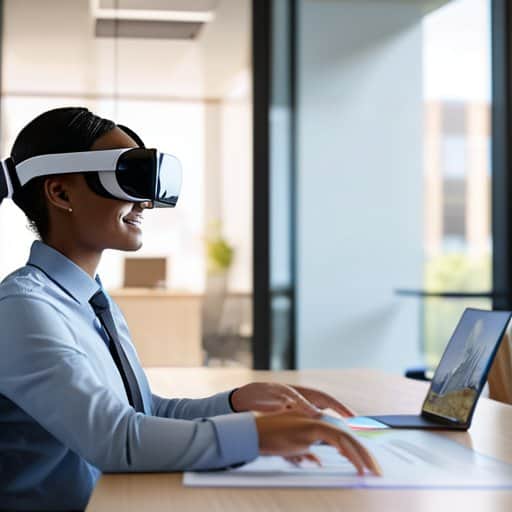
We’ve seen how a VR‑powered onboarding journey can turn a nervous first day into a hands‑on adventure, letting new hires explore the office layout, practice core tasks, and meet teammates in a shared digital space before they even set foot in the building. By swapping static PDFs for interactive simulations, companies unlock faster skill acquisition, higher retention, and a measurable boost in confidence. The remote‑first model we explored shows that geography no longer limits inclusion, while the real‑world case studies prove that the ROI—shorter ramp‑up times and lower training costs—justifies the headset investment and lasting impact. In short, virtual reality onboarding rewrites the rulebook for employee integration.
Looking ahead, the next wave of VR onboarding will blend AI‑driven coaching, analytics dashboards, and gamified pathways, giving HR teams a live pulse on engagement and skill mastery. Imagine a future where every newcomer steps into a personalized, data‑rich environment that adapts to their learning style, turning onboarding from a checklist into a memorable story. As the technology becomes more affordable and interoperable, the barrier between remote and on‑site hires will vanish, creating a truly global talent pipeline. Embrace this immersive frontier now, and watch your organization welcome the future with open arms, and sustained growth.
Frequently Asked Questions
How much does it cost to set up a VR onboarding program, and what ROI can companies expect?
Launching a VR onboarding program typically starts at $30,000–$70,000 for a pilot: hardware (≈ $2,000–$4,000 per headset), custom content creation (≈ $15,000–$35,000), platform licensing, and a modest rollout‑support budget. Scale‑up costs dip per employee as you reuse modules.
What technical requirements and hardware do new hires need to successfully participate in VR onboarding sessions?
Ready to jump into a VR onboarding session? First, you’ll need a headset—think Oculus Quest 2 or HTC Vive Pro—plus controllers and a comfortable strap. Your computer should sport at least an Intel i5 (or AMD Ryzen 5) CPU, 8 GB RAM, and a GTX 1060‑class GPU; if you go standalone, the headset handles the heavy lifting. A stable 5 Mbps+ Wi‑Fi connection, a quiet space, and the company’s onboarding app installed are all you need to get started.
How can HR teams ensure that virtual reality onboarding remains inclusive and accessible for employees with disabilities?
First, start with universal‑design principles: choose platforms that support screen‑readers, subtitles, and customizable color contrast. Offer alternative input options—voice commands, eye‑tracking, or adaptive controllers—for those who can’t use standard hand‑sets. Run accessibility audits with real users who have varying abilities before launch, and keep a feedback loop for continuous tweaks. Finally, pair VR sessions with a parallel, low‑tech onboarding track so every new hire can engage on their own terms. Provide captioned walkthrough videos today.

