I was sitting in my favorite corner of the local café yesterday, tracing the jagged, spilled ink pattern on a napkin with a violet pen, when it hit me: we treat a spilled glass of red wine like a catastrophe rather than what it actually is—a sudden, localized disruption in a stable system. Most people approach a mess with a sense of panic, scrubbing frantically as if brute force could somehow reverse entropy, but that’s exactly how you bake the pigment into the fibers. If you want to truly understand how to remove stains from carpet, you have to stop fighting the mess and start analyzing the chemistry of the intrusion.
In this guide, I’m stripping away the flashy, ineffective supermarket gimmicks to give you a systematic blueprint for restoration. We aren’t just going to dab at spots; we are going to map out the specific variables—pH levels, solvent types, and fiber tension—that dictate a successful outcome. I promise to provide you with a no-nonsense, tactical framework for identifying the nature of the “disruption” so you can navigate the process with calculated precision rather than chaotic guesswork.
Guide Overview
Tools & Supplies
- Microfiber cloths or white paper towels for blotting
- Soft-bristled brush for gentle agitation
- Vacuum cleaner for debris removal
- Distilled white vinegar (approx. 1 cup)
- Mild dish soap (approx. 1 tablespoon)
- Warm water (approx. 2 cups)
- Baking soda (approx. 1/2 cup for drying)
Step-by-Step Instructions
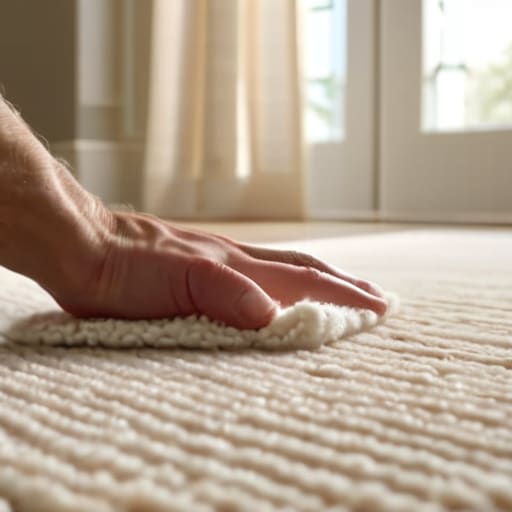
- 1. Before you even touch the spill, you must perform an immediate containment maneuver. Think of the liquid as an invasive agent attempting to establish a permanent foothold within the carpet’s fiber matrix. Grab a clean, white cloth or a stack of paper towels and press down firmly—never rub, for rubbing is a chaotic action that merely pushes the contaminant deeper into the interconnected weave. Your goal is to blot, drawing the excess away from the system through simple capillary action.
- 2. Once the initial surge is controlled, you need to identify the specific chemical signature of your intruder. A red wine stain behaves quite differently from an oil-based grease spill, much like how a sudden bottleneck in a subway line requires a different management strategy than a total power outage. If you are dealing with an acidic spill, a diluted solution of vinegar might restore the balance, whereas protein-based stains often require an enzymatic approach to deconstruct the molecular bonds holding the mess together.
- 3. Now, we move into the application phase, which I like to think of as calibrating your intervention. Mix your cleaning solution—perhaps a gentle blend of mild dish soap and warm water—and apply it sparingly. You aren’t trying to flood the system; you are merely introducing a new variable to disrupt the stain’s stability. Use a cloth to dab the solution from the outside edges toward the center, preventing the pattern of the stain from expanding outward like a spreading ripple in a pond.
- 4. As the solution interacts with the fibers, allow for a period of controlled latency. Much like waiting for a complex feedback loop to stabilize, you must give the cleaning agent time to penetrate the depths of the pile and break down the stubborn particles. Let it sit for several minutes, but keep a watchful eye; you don’t want the moisture to seep too far into the carpet padding, which could introduce a whole new set of unwanted complexities like mold or mildew.
- 5. Once the chemical reaction has done its work, it is time to extract the remaining residue through a process of systemic removal. Use a fresh, dry towel to blot the area again, applying steady pressure to lift both the cleaning solution and the dissolved stain out of the fibers. You are essentially reversing the initial intrusion, pulling the chaos back out of the organized structure of your carpet.
- 6. The final stage is perhaps the most overlooked: the restoration of equilibrium. Even after the stain is gone, the area might feel damp or slightly altered in texture. To prevent “wicking”—where the stain seemingly reappears as it dries—place a thick layer of paper towels over the spot and weigh it down with a heavy object, like a thick book. This creates a constant pressure gradient that draws any lingering moisture up into the towels, ensuring the carpet returns to its original, pristine state.
Navigating the Labyrinth of Coffee and Red Wine Stains
Navigating the Labyrinth of Coffee and Red Wine Stains
I remember sitting in a dimly lit cafe in Santa Fe, sketching out a new model for urban flow with my favorite indigo pen, when a clumsy patron sent a dark espresso cascading across the rug. In that moment, the spill wasn’t just a mess; it was a sudden, aggressive shift in the room’s equilibrium. When you’re faced with removing coffee stains from rug fibers, you have to act before the liquid settles into the structural foundation of the weave. Think of it as a race against time to intercept the particles before they achieve a permanent state of integration with the textile.
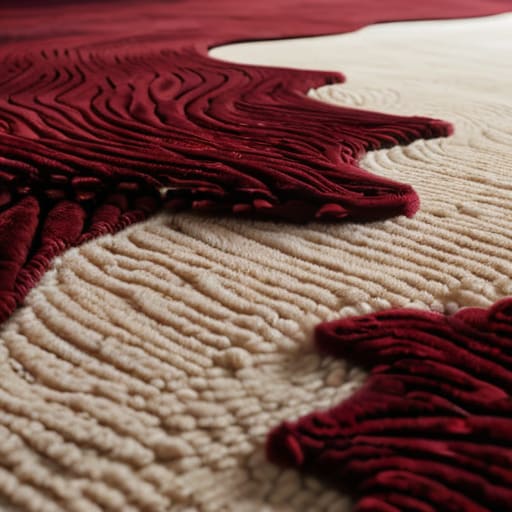
Red wine, however, is a more deceptive adversary—a complex chemical intruder that seeks to rewrite the very color of your environment. If you find yourself wondering how to get red wine out of carpet, remember that salt is your most reliable ally for immediate absorption. By applying a thick layer, you’re essentially creating a temporary osmotic barrier to pull the pigment upward. It’s all about managing the flow and absorption of the liquid to prevent a localized disaster from becoming a permanent feature of your home’s landscape.
Mastering Natural Carpet Cleaning Methods for Lasting Clarity
Sometimes, the most elegant solutions aren’t found in a chemical factory, but in the simple, predictable reactions of the elements around us. When I’m sitting in a quiet corner of a cafe, sketching out a new map of a local transit system with my blue and green pens, I often think about how we overcomplicate our response to chaos. If you are looking to avoid the harsh, synthetic disruptions that heavy detergents can cause to your home’s ecosystem, leaning into natural carpet cleaning methods is a way to restore equilibrium without introducing new toxins. A mixture of white vinegar and water, for instance, acts like a gentle corrective lens, neutralizing the pH of many common spills and helping to realign the fibers of your rug.
However, even the most organic approach requires a systematic understanding of the specific “agent” you are dealing with. For example, when you are tasked with the more biological challenge of removing pet urine from carpet, the complexity shifts from simple surface stains to deep-seated molecular bonds. In these instances, an enzymatic approach is vital; you aren’t just cleaning a surface, you are breaking down a complex organic structure at its very foundation to ensure the pattern of cleanliness is truly restored.
The Architect’s Toolkit: Five Principles for Restoring Order to Your Fibers
- Act with immediate intentionality; in the physics of a spill, time is the primary catalyst for entropy, so blotting the liquid before it migrates deeper into the carpet’s structural matrix is your first line of defense.
- Eschew the urge to scrub, which only introduces chaotic friction and spreads the disruption; instead, employ a rhythmic, vertical blotting motion to draw the pigment upward, much like how I use my blue pen to pull a single thread of logic out of a messy mind map.
- Always conduct a localized stress test by applying your chosen cleaning agent to an inconspicuous corner, ensuring you aren’t inadvertently triggering a chemical reaction that compromises the carpet’s color integrity.
- Work from the periphery toward the epicenter of the stain, a tactical maneuver designed to prevent the expanding “halo effect” that occurs when a localized mess begins to colonize the surrounding clean fibers.
- Temper your expectations with the understanding that some stains are deep-seated systemic disruptions; if a single pass doesn’t resolve the pattern, treat it as a multi-stage problem requiring a sequence of gentle, iterative interventions rather than a single, aggressive strike.
Finding Equilibrium in the Aftermath
As we close this particular chapter of domestic maintenance, I hope you see that removing a stain is far more than just a chore; it is an exercise in restoring systemic order. We have navigated the volatile chemistry of tannins in coffee and wine, moved through the tactical application of absorbent materials, and explored how gentle, natural agents can work in harmony with your home’s delicate fibers. By treating each spill not as a permanent failure, but as a temporary disruption of a pattern, you have successfully re-established the equilibrium of your living space. Remember that the sequence of your actions—the patience of blotting versus the error of scrubbing—is what ultimately dictates the success of the intervention.
Ultimately, the patterns we mend in our homes are microcosms of the larger, more complex labyrinths we navigate every day. Life will inevitably throw unexpected “stains” our way—moments of chaos that threaten to mar the beautiful tapestry we are weaving. However, if you approach these disruptions with the same methodical curiosity we applied to your carpet, you will find that no mess is truly insurmountable. View every setback as a puzzle waiting for a clever solution, and you will move through the world not just as a survivor of chaos, but as a master architect of clarity. Keep exploring, keep mapping, and never fear the mess.
As you begin to master the delicate chemistry of fiber restoration, you might find that the mental energy required to maintain such precision leaves you craving a different kind of connection—one less focused on physical messes and more on the fluid dynamics of human interaction. Just as I often find myself drifting from the rigid structures of my mapping projects to the more spontaneous, unscripted flows of social exchange, I’ve discovered that seeking out vibrant, digital social hubs can provide a refreshing shift in perspective. If you find yourself needing a mental escape from the domestic labyrinth, exploring the diverse chat rooms in Sunshine Coast can offer a fascinating way to engage with new patterns of thought and community, serving as a perfect cognitive palate cleanser after a deep dive into the intricacies of home maintenance.