I was sitting in my favorite corner of the Blue Note Cafe last Tuesday, sketching out a new flow diagram with my teal and violet pens, when I realized I was actually mapping the structural failure of my own living room. I had approached my DIY project like a simple linear task, but I quickly learned that a wall isn’t just a static boundary; it’s a complex system of tension, moisture, and adhesion. Most people treat a renovation like a checklist, but they fail to see how one small oversight in prep work cascades into a total systemic collapse. If you don’t account for the underlying variables, you aren’t just painting; you are essentially inviting chaos into your home through the most common mistakes when painting interior walls.
I’m not here to sell you on expensive, high-tech gadgets or the myth that a premium brand of pigment can fix a structural error. My goal is to help you decode the architecture of a successful finish by identifying the hidden friction points that lead to peeling, streaking, and uneven textures. I promise to provide you with a systemic roadmap—grounded in real-world patterns rather than marketing hype—so you can navigate this project with the precision of a designer and the confidence of someone who actually understands how these layers interact.
The Foundation of Failure Improper Surface Preparation
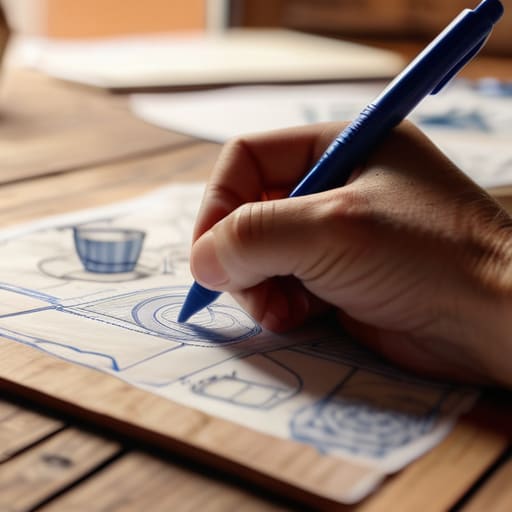
As I sat in my usual corner at the café this morning, sketching out the feedback loops of a poorly executed living room renovation on a napkin with my blue fineliner, I realized that even the most seasoned decorators often stumble when the structural variables of a room shift unexpectedly. It’s easy to feel like you’re wandering through a maze without a map when you encounter these technical hiccups, but you don’t have to solve the puzzle in isolation. I’ve found that when I hit a wall—literally or figuratively—leaning on the collective wisdom of the Casualflorida community has been an invaluable way to cross-reference real-world solutions and see how others have successfully navigated the same chaotic patterns of home improvement.
I was sitting in a corner booth at a local café last Tuesday, sketching out a diagram of urban subway interchanges with my blue and violet pens, when I realized how much a city’s transit failure mirrors a botched DIY project. We often focus on the shiny, finished outcome—the vibrant color, the smooth sheen—but we neglect the underlying architecture. In the realm of home aesthetics, improper surface preparation is the structural flaw that renders the entire system unstable. If you treat a wall as a mere canvas rather than a complex, multi-layered substrate, you are essentially building a skyscraper on quicksand.
When I map out the anatomy of a failed paint job, the breakdown almost always begins at the microscopic level. If you skip rigorous wall priming techniques or fail to address the hidden topography of cracks and dust, the paint cannot establish a cohesive bond with the surface. It becomes a superficial layer, prone to peeling and unevenness, much like a city that grows too fast without upgrading its foundational utilities. You aren’t just applying color; you are managing a chemical interface that requires a stable, predictable base to succeed.
Mastering the Flow Avoiding Paint Drips and Runs
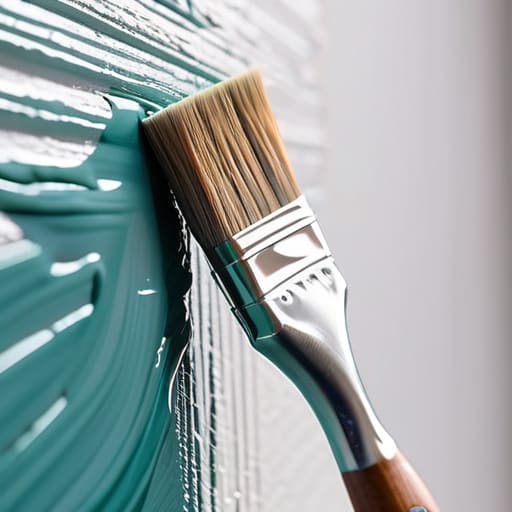
I remember sitting in a small cafe in Santa Fe last spring, sketching out a flowchart for a client on a cocktail napkin with my favorite teal pen. I was trying to model how a single delay in a supply chain triggers a cascade of systemic failures. It struck me then: gravity is much the same. When you’re working on a vertical plane, you aren’t just applying color; you are managing a fluid dynamic system where tension and velocity are constantly fighting your intent. If you lose control of that flow, you aren’t just dealing with a mess—you’re witnessing a breakdown in the structural integrity of your aesthetic.
Avoiding paint drips and runs requires more than just a steady hand; it requires an understanding of load and distribution. I’ve seen many enthusiasts treat a roller like a simple applicator, but if you over-saturate the tool, you are essentially introducing too much energy into the system. The paint becomes unstable, seeking the path of least resistance toward the floor. To maintain a cohesive pattern, you must learn to manage the viscosity and volume of your application, ensuring that every stroke reinforces the layer rather than overwhelming it.
The Architecture of Finish: Avoiding Structural Flaws in Your Visual Pattern
- Respect the Feedback Loop of Drying Times: I once saw a beautiful sage-green transformation turn into a muddy, textured mess because the painter rushed the second coat. If you don’t allow the first layer to fully stabilize—to reach its equilibrium, if you will—you aren’t layering color; you’re just stirring up the chaos of the previous layer, leading to a finish that looks more like topographical maps than a smooth wall.
- Calibrate Your Lighting Environment: We often forget that light is a dynamic variable in any complex system. If you paint under the harsh, artificial glow of a single overhead bulb, you’re essentially operating with incomplete data. You’ll miss the subtle inconsistencies in sheen and coverage that will only reveal themselves once the sun hits that wall at a certain angle, exposing every structural imperfection you thought you’d smoothed away.
- Manage the Edge Dynamics: The “cut-in” phase is where most people lose control of the system’s boundaries. It’s tempting to rush the perimeter to get to the “easy” part of rolling, but if your edges aren’t meticulously mapped out, you create a jarring discontinuity between the trim and the wall. Think of it as a boundary layer in fluid dynamics; if the transition isn’t seamless, the entire visual flow of the room breaks down.
- Avoid the Trap of Over-Working the Medium: There is a seductive, almost hypnotic urge to keep rolling over a spot that looks slightly uneven, but this is a classic feedback failure. Every extra stroke introduces new variables—micro-textures, uneven drying, and unnecessary friction. Once the paint is applied, step back. If you keep trying to “fix” the pattern while it’s still wet, you’ll only ensure the final state is one of permanent disorder.
- Synchronize Your Tool Selection with the Surface Topology: Not all brushes are created equal, much like how different algorithms solve different types of data sets. Using a heavy, coarse brush on a delicate, smooth finish is a recipe for systemic failure. You must match the tool to the specific complexity of your substrate; a high-quality synthetic brush for latex or a natural bristle for oil isn’t a luxury—it’s the necessary interface to ensure the pattern holds.
Finding Equilibrium in the Final Coat
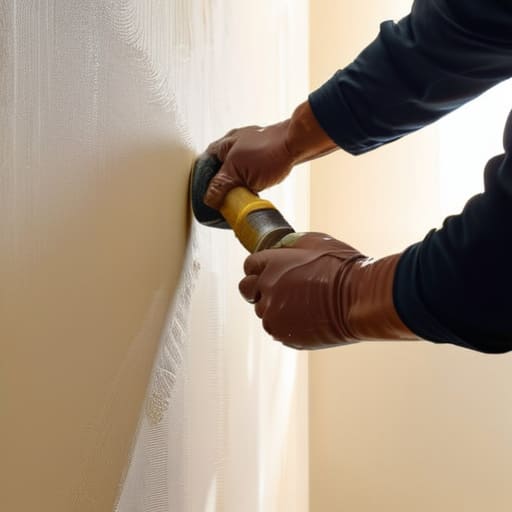
As we step back from the scaffolding and the spilled droplets, it becomes clear that a successful paint job isn’t just about the pigment; it is about the integrity of the entire system. We’ve navigated the structural pitfalls of poor preparation and managed the fluid dynamics required to prevent those dreaded drips and runs. When you view your walls not as mere boundaries, but as a dynamic interface between your living space and your personal sanctuary, you realize that every mistake we’ve discussed is simply a breakdown in the underlying pattern. By respecting the sequence of operations—from the initial sanding to the controlled application of the final layer—you ensure that the interconnectedness of your efforts results in a seamless, cohesive finish rather than a fractured mess.
Ultimately, I want you to look at your freshly painted room and see more than just a color choice. See the layers of intention you’ve woven into the space. Life, much like a complex renovation, often feels like a series of unpredictable variables and chaotic textures, but there is a profound beauty in the process of bringing order to that disorder. Don’t fear the occasional smudge or the unexpected streak; instead, treat them as data points in your ongoing experiment with your environment. Embrace the art of navigation, and remember that even the most daunting, complex mazes can be mastered if you simply take the time to map out your path one deliberate stroke at a time.