Did you know over 80% of people say they’re pretty to very happy? This shows how much we all want to be happy. Happiness Science is becoming more popular as we learn more about it.
For a long time, happiness was seen as just a feeling. But now, thanks to positive psychology and neuroscience, we understand it better. We can reflect on our happiness, but sometimes anxiety and depression get in the way.
Dr. Martin Seligman taught us that happiness is more than just feeling good. It’s about feeling good, being engaged, and finding meaning. So, learning how to be happier every day is really important.
This article will explore the science of happiness. We’ll look at how to make our lives happier and more fulfilling. We’ll talk about the biochemistry of joy and how to keep a positive mindset.
Key Takeaways
- Approximately 80% of individuals report positive hedonic moods.
- Both pleasure and meaning play critical roles in happiness.
- Neuroscience links specific brain regions to the experience of pleasure.
- A focus on strengths over weaknesses fosters a more positive mindset.
- Daily interactions and mindset enhance overall well-being.
The Definition of Happiness and Its Components
To understand happiness, we must look at its parts. Philosophers split happiness into two types. One is about well-being and flourishing, the other about feeling good or calm.
Knowing about hedonia and eudaimonia helps us see happiness better.
Understanding Hedonia and Eudaimonia
Hedonia is all about seeking pleasure and avoiding pain. It’s about enjoying life’s moments. On the other hand, eudaimonia is about finding meaning and growing as a person.
Finding a mix of both hedonia and eudaimonia makes us truly happy.
The Role of Positive Psychology
Positive psychology helps us understand happiness. It looks at how to live a meaningful life, not just seek pleasure. Studies show that mixing hedonic and eudaimonic elements makes us happier.
Happiness isn’t just about quick joys. It’s about being engaged and having a purpose.
How Happiness Differs from Pleasure
Pleasure gives us quick happiness, but it’s not the same as lasting happiness. Psychological theories show this difference. Hedonism says happiness comes from both good and bad experiences.
But, many people feel happy despite tough times. True happiness comes from looking at life’s bigger picture, not just quick pleasures.
Happiness Science: The Biochemistry of Joy
Learning about brain chemistry and happiness is fascinating. It shows how our brains play a big role in feeling joy. Scientists study brain chemicals, or neurotransmitters, to understand happiness better.
These chemicals shape our emotions, affecting how we feel happy. It’s interesting to see how each one impacts us differently.
Influential Brain Chemicals
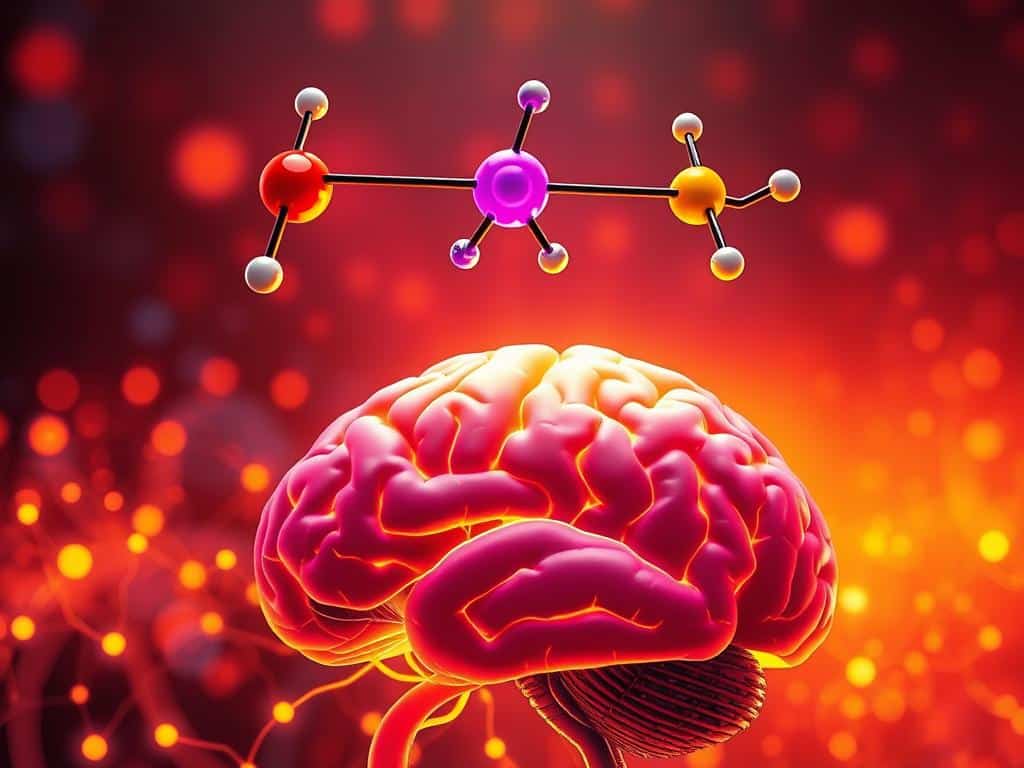
Dopamine, serotonin, oxytocin, and endorphins are key to happiness. Dopamine makes us feel good when we reach our goals. It’s like a reward for our hard work.
Serotonin helps keep our mood stable. It’s important for our emotional health. Oxytocin brings people closer, making our social bonds stronger. It’s released when we’re happy around others.
Endorphins are our body’s natural pain relievers. They come out when we exercise or laugh. This shows how joy can make us feel better.
The Importance of Neurotransmitters in Well-Being
Neurotransmitters and well-being are closely linked. Studies show genetics play a big part in happiness, with 35-50% coming from our genes. For example, some people’s genes make them happier.
Cortisol levels also tell us about our emotional health. Lower levels often mean we’re happier. Knowing this helps us understand happiness better and how to keep it balanced.
Mindset Shifts that Enhance Happiness
Understanding key mindset shifts can greatly improve our happiness. Focusing on gratitude, mindfulness, and social connections leads to deeper happiness. These changes help us find joy in life.
The Power of Gratitude
Gratitude is a powerful tool for positivity. Regular gratitude practices help me appreciate the good things in life. Studies show that those who practice gratitude are happier and have stronger relationships.
This mindset shift makes my brain more positive. It boosts my well-being and emotional strength.
Mindfulness and Presence
Mindfulness means being fully present. It helps me stay calm and balanced. I’ve seen it reduce anxiety and improve how I handle daily challenges.
Being mindful helps me focus on the good things. It makes me more grateful and fulfilled. Research backs up that mindfulness leads to lasting happiness.
Social Connections as a Happiness Booster
Strong social connections are key to happiness. They offer support and a sense of belonging. I’ve found that spending time with loved ones makes me happier.
Studies confirm that good relationships lead to greater happiness. Building these connections is essential for a happy life.
Conclusion
The quest for true happiness is complex and ever-changing. Happiness science has shown us that well-being comes from a mix of pleasure, engagement, and meaning. Studies, like those on Harvard sophomores from 1938, reveal the importance of good relationships for our mental and physical health.
Practices like gratitude and mindfulness can make us happier. They help fight loneliness, which is as harmful as smoking or drinking. A TED Talk by Robert Waldinger has been seen by over 13 million people, stressing the value of connections.
Happiness is shaped by both our genes and our choices. By understanding happiness science, we can make choices that bring lasting joy. Cultivating joy is a journey that requires knowledge, practice, and reflection, leading to a fulfilling life.

