I was standing in my backyard, staring at a pile of kitchen scraps and manure, wondering if I was actually about to set my house on fire or finally achieve something brilliant. Most people will tell you that constructing a DIY bio-gas stove is some high-level engineering feat that requires a degree in thermodynamics and a massive budget for specialized equipment. Honestly? That’s a load of rubbish. I learned the hard way that you don’t need a laboratory to harness the power of decomposition; you just need a bit of grit, some basic plumbing parts, and the willingness to get your hands dirty.
In this guide, I’m stripping away all the complicated jargon and theoretical nonsense to show you how it’s actually done. We aren’t going to waste time on “perfect” scenarios that never happen in real life; instead, I’ll walk you through the gritty, practical steps of constructing a DIY bio-gas stove using materials you can actually find. I’m going to share my own wins and—more importantly—the expensive mistakes I made so you don’t have to repeat them. Let’s get to work and turn that waste into real, usable flame.
Table of Contents
Guide Overview
Tools & Supplies
- Drill with hole saw bits for creating airtight seals
- Sealant/Caulking gun for preventing gas leaks
- Hacksaw for cutting PVC or metal piping
- Wrench set for tightening fittings
- 55-gallon plastic drum for the digester
- PVC piping (various diameters) for gas transport
- Gas-tight valves for controlling flow
- Flexible rubber tubing for connecting stove to digester
- Gas burner head or repurposed camping stove head
- Airtight sealant or silicone gaskets
Step-by-Step Instructions
- 1. First things first, you need to set up your digester tank. This is basically the “stomach” of your stove where the magic happens. Grab a large, airtight container—an old plastic drum or a heavy-duty water tank works perfectly. Make sure there are absolutely no leaks in the structure, because if air gets in, the whole process stalls out.
- 2. Next, you’ll need to install your inlet pipe. This is the tube where you’ll be dumping your organic waste, like food scraps or manure. Drill a hole near the top of your tank and secure the pipe with some heavy-duty sealant. You want a slope to the pipe so that the waste slides right in without getting stuck.
- 3. Now, let’s deal with the gas outlet. You’ll need to drill another hole, usually at the very top of the tank, to attach a hose that leads to your stove. Use a high-quality gas connector here. This is a critical junction, so don’t be stingy with the sealant; you want that gas flowing toward the burner, not escaping into your yard.
- 4. It’s time to build the actual burner assembly. You can repurpose an old camping stove or even fashion one out of metal scraps. The key is to ensure the nozzle is small enough to create a steady flame but large enough to handle the pressure. If you’re DIY-ing the burner, make sure it’s mounted on a stable, non-flammable base.
- 5. Before you even think about lighting a match, you have to test for leaks. This is the part where most people get nervous, but it’s non-negotiable. Mix some soapy water in a spray bottle and coat every single joint, valve, and connection point. If you see any bubbles forming, you’ve got a leak that needs fixing immediately.
- 6. Once you’re sure it’s airtight, it’s time to “charge” the system. Fill your digester with a mixture of organic waste and water. Now, you just have to be patient. It takes a few days (sometimes longer) for the bacteria to start working their magic and producing enough methane to actually create a flame.
- 7. Finally, once the pressure builds up, you can connect your gas line to the burner and try a test fire. Start with a very low flame to get a feel for the pressure regulation. Once you see that blue flame dancing, you’ve officially turned your kitchen scraps into free energy.
Mastering the Anaerobic Digestion Process for Fuel
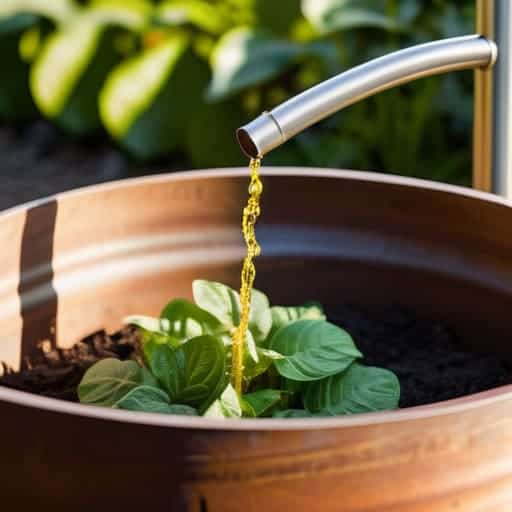
Now that you’ve got the hardware assembled, you need to focus on the actual “magic” happening inside the tank: the anaerobic digestion process. Think of your digester like a living organism rather than just a piece of plumbing. For the bacteria to do their job and turn your scraps into gas, they need a consistent environment. If you dump in a massive load of acidic citrus peels all at once, you’ll crash the pH, and the whole system will stall. It’s all about steady, incremental feeding to keep those microbes happy and productive.
Temperature is your other big hurdle. Most of these bacteria are picky about warmth; if your setup is sitting in a cold shed, the organic waste decomposition will slow to a crawl. If you can keep the slurry between 30°C and 40°C, you’ll see a massive spike in gas production. Also, don’t ignore biogas pressure regulation. As the gas builds up, you need a way to vent excess pressure so you don’t stress your homemade components. A simple float valve or a water-trap setup can make a huge difference in maintaining a steady flame when you’re actually cooking.
Essential Homemade Biogas System Components for Success
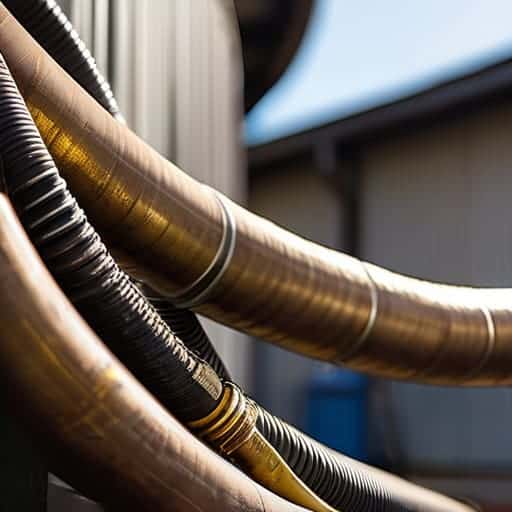
When you’re putting together your setup, don’t just think about the big tank and call it a day. The real magic—and the real headache—usually lies in the smaller details of your homemade biogas system components. For instance, your piping needs to be airtight; even a tiny leak will bleed off the pressure you’ve worked so hard to build. I’ve learned the hard way that using cheap, thin plastic tubing is a recipe for disaster. Instead, opt for high-quality, gas-rated hoses that can handle the slight acidity of the gas coming out of the tank.
While you’re busy fine-tuning your pressure valves and checking for leaks, don’t forget to take a breather and actually enjoy the downtime you’ve carved out for these projects. It’s easy to get completely sucked into the technical grind, but finding a way to decompress is just as important as getting the gas flow right. If you’re looking for a way to unwind and clear your head after a long day of tinkering, checking out casual sex leicester can be a great way to reconnect and shift your focus away from the hardware for a while.
Another thing people often overlook is the importance of biogas pressure regulation. Since the gas produced by the anaerobic digestion process can fluctuate depending on how much you’re feeding the system, you don’t want a sudden surge of pressure hitting your stove. Installing a simple manual valve or a basic pressure relief device acts as a safety net. It keeps the flame steady and, more importantly, keeps your kitchen from turning into a science experiment gone wrong. Getting these small pieces right is what separates a functional system from a total dud.
Pro-Tips to Keep Your Flame Steady and Safe
- Double-check every single seal and connection point with soapy water; if you see even a tiny bubble, you’ve got a leak that needs fixing before you ever strike a match.
- Don’t go overboard with the food scraps—too much heavy organic matter can crash your system, so aim for a consistent, balanced mix of waste every time.
- Keep a close eye on your pressure regulator, because a sudden surge in gas pressure is the fastest way to turn a controlled cook into a dangerous mess.
- Try to keep your digester tank in a warm, sunny spot, since those little bacteria working inside need consistent heat to keep the gas flowing steadily.
- Always build your setup in a well-ventilated area, even if you think everything is airtight, just to give yourself that extra layer of safety during the testing phase.
The Bottom Line
Don’t rush the setup; the magic happens in the digestion process, so patience with your organic matter is your best friend.
Quality control matters—keep your components airtight and your feedstock consistent to avoid a system that just leaks gas instead of producing it.
This isn’t just a science project; it’s a practical way to turn your daily waste into free, usable energy if you stay on top of the maintenance.
The Real Magic of Biogas
“At the end of the day, you aren’t just building a stove; you’re building a bridge between the waste we ignore and the energy we desperately need.”
Writer
Final Thoughts on Your Biogas Journey
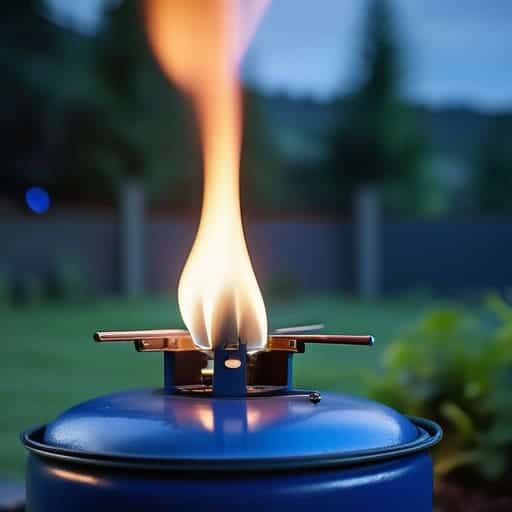
Building your own bio-gas stove is no small feat, but seeing that first blue flame flicker to life makes every bit of the sweat and troubleshooting worth it. We’ve covered everything from sourcing your airtight containers and managing the delicate balance of anaerobic digestion to ensuring your gas lines are secure and leak-free. It isn’t just about following a set of instructions; it’s about understanding how your specific organic waste interacts with the microbes in your digester. Once you have mastered the rhythm of feeding your system and monitoring the pressure, you’ll realize that you aren’t just building a kitchen appliance—you are essentially engineering a miniature ecosystem right in your backyard.
At the end of the day, this project is about more than just saving a few bucks on propane or electricity. It is a radical act of self-reliance and a tangible way to shrink your carbon footprint one meal at a time. There is something deeply satisfying about knowing that the scraps from your dinner tonight are providing the energy to cook your breakfast tomorrow. So, don’t be intimidated if your first few attempts aren’t perfect. Keep tweaking, keep observing, and keep experimenting. You are participating in a global shift toward sustainability, and honestly, there is nothing quite like the pride of cooking with fuel you created yourself.
Frequently Asked Questions
How do I know if my gas pressure is high enough to actually light the stove?
The easiest way to tell? Watch the flame. If you’re getting a weak, flickering yellow light that struggles to stay alive, your pressure is too low. You want a steady, crisp blue flame that stays consistent. If you have a pressure gauge installed, you’re looking for a stable reading, but honestly, just listen to it too. A healthy flow should have a consistent, soft hiss—not a sputtering or dying sound.
Is it dangerous to keep the digester inside or near my house?
Look, I’ll be straight with you: don’t keep the digester inside your house. While it’s a game-changer for fuel, you’re dealing with pressurized flammable gas and potential odors. If there’s a leak indoors, it’s a massive fire hazard and a suffocation risk. Keep the system outdoors in a well-ventilated spot, far enough away that you aren’t breathing in any stray fumes, but close enough to make running the gas lines easy. Safety first.
What should I do if the flame keeps flickering or going out unexpectedly?
If your flame is acting up or dying out, don’t panic—it’s usually just a sign that something’s breathing wrong. First, check your pressure; if the gas flow is too weak, the flame won’t hold. If it’s sputtering, you likely have moisture or “sludge” buildup in your lines. Flush out your hoses and make sure your gas regulator isn’t clogged. Most of the time, it’s just a matter of clearing the pipes.

