Did you know that about 30% of young adults aged 18 to 34 are unsure about having kids? This growing uncertainty shows a big change in society. The U.S. is seeing fewer births, with the average number of children per woman at about 1.6. This is below the level needed to keep the population stable.
Many factors are behind this change. These include economic challenges and shifts in personal values and societal norms. People are now wondering why there are fewer children being born today.
Exploring the impact of fewer births is key. We need to understand the historical context and the changes in society that lead to this trend. Let’s dive into the complexities of deciding to have children in today’s world.
Key Takeaways
- 30% of 18- to 34-year-olds express uncertainty about having children.
- The U.S. fertility rate stands at around 1.6 births per woman.
- Declining birth rates may have long-term economic implications.
- A variety of societal and economic factors influence childbearing decisions.
- Understanding these trends is key for addressing future population stability.
Understanding the Declining Birth Rates
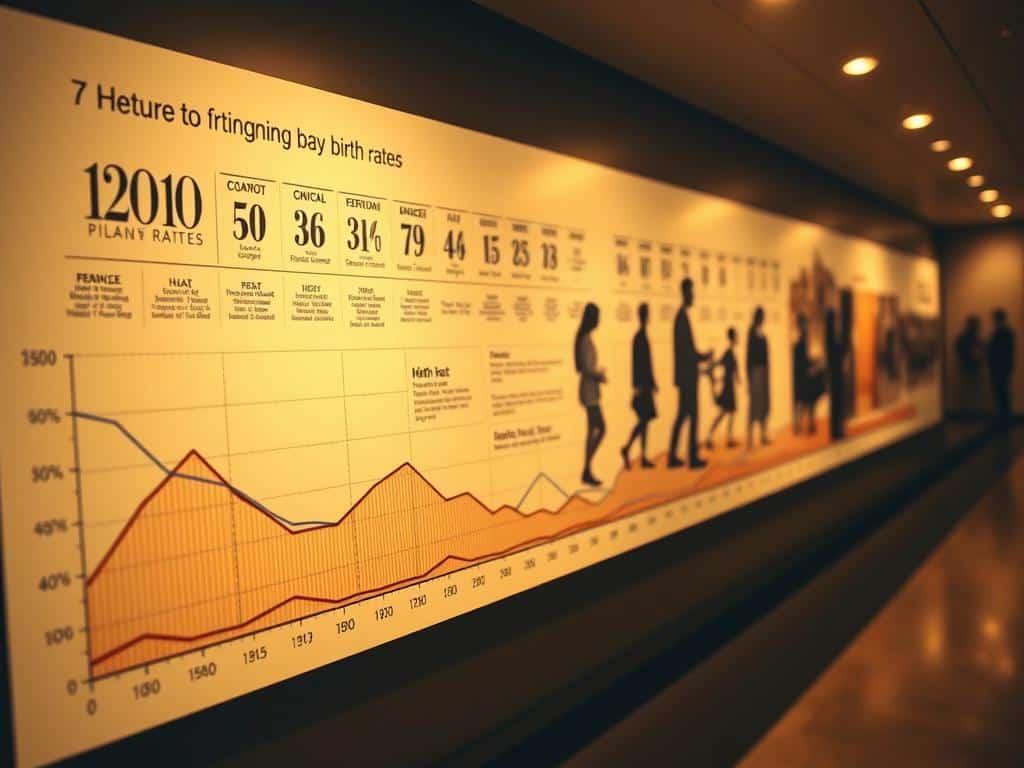
The trend of fewer births shows big changes in American society. Birth rates have changed a lot over the years. In the 1950s, women had about 4.7 kids on average. By 2017, this number had dropped to 2.4.
Experts think birth rates might keep going down. They predict rates could be below 1.7 by 2100. Many things are causing this change. For example, people are getting married and buying homes later in life.
Historical Context of Birth Rates in the U.S.
Looking at birth rates over time tells us about changing values and priorities. Big changes in society and the economy have affected how many kids people want. The birth rate in 2020 was 15.9% lower than in the 2010s.
This drop was seen in 43 states, where many hit record lows. Places like Arizona and Utah saw huge drops. This shows the trend is happening everywhere.
Societal Changes Leading to Fewer Children
Today’s society is different from the past, leading to fewer kids. The cost of raising a child is high, about $233,000 until they’re 17. This cost is a big worry for young adults thinking about having kids.
Also, women can now focus on their careers more than just being homemakers. Climate change and political issues make people worry about the future. These worries make them think twice about having kids.
It’s clear that many things are affecting how people plan their families. Today’s society makes it harder to decide when and if to have children.
Economic Factors Affecting Childbearing Decisions
Deciding to have children is often influenced by many economic factors. Young adults face big financial hurdles that shape their thoughts on having kids. With the rising costs of living, many choose to focus on their financial security before starting a family.
This shows how economic pressures and family planning are closely linked.
Financial Challenges for Young Adults
Young adults today deal with huge financial issues. These include high student loan debts and expensive housing costs. These problems make starting a family seem daunting.
Studies reveal that many people consider these financial challenges when deciding to have kids. The job market’s instability makes them worry about bringing a child into uncertain times.
The Cost of Raising a Child
The cost of raising a child is a major concern in the decline of birth rates. It’s estimated that raising a child until 18 costs over $330,000. This high cost deters many from becoming parents.
Despite wanting children, many young adults delay or decide not to have them due to money worries. The rising costs of raising a child lead many to prioritize their careers and personal goals over family.
Conclusion
The decline in birth rates in the United States is complex. It involves many factors that have changed over time. Economic challenges and societal changes have led to fewer births. The COVID-19 pandemic made things worse, causing about 100,000 fewer births.
Looking ahead, birth rates continue to fall, with some small ups and downs. Young adults face big decisions about money, careers, and happiness. These choices often mean they delay or skip having kids.
We need to think deeply about how to support families better. With fewer young people working, we face big questions about our economy’s future. Working together, we can make a society that values all paths in family life.

