I remember sitting in a dimly lit cafe last autumn, frantically sketching out a drainage map on a cocktail napkin with my blue and green pens, trying to figure out why my fiddle-leaf fig had suddenly decided to stage a protest. Most people treat a beginner guide to indoor plant care like a rigid set of commandments—water on Tuesdays, fertilizer on the first of the month—but that’s a fundamental misunderstanding of the biology at play. They treat plants like static decor, when in reality, you are trying to manage a living, breathing feedback loop that responds to the subtle shifts in your own home’s microclimate.
I’m not here to sell you on expensive, specialized soil blends or aesthetic watering cans that look better on Instagram than they function in practice. Instead, I want to help you decode the underlying architecture of your greenery. We are going to strip away the fluff and look at the interconnected variables—light geometry, moisture rhythms, and nutrient flow—that actually dictate survival. By the end of this, you won’t just be following instructions; you’ll be navigating the beautiful, complex systems of your own indoor oasis with true intuition.
Decoding the Rhythms of Essential Indoor Plant Watering Schedules
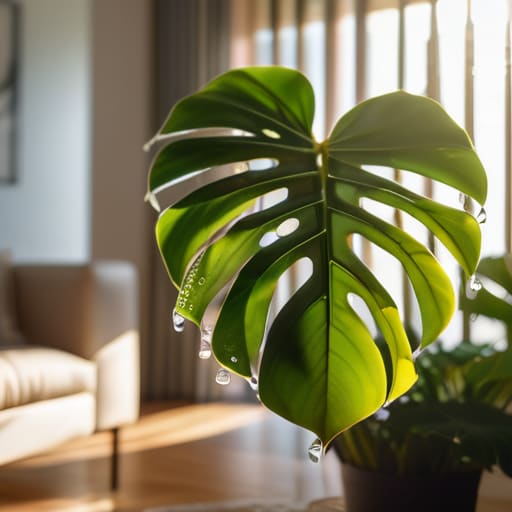
As you begin to map out the delicate feedback loops between soil moisture and leaf turgidity, you might find that the sheer volume of botanical data can feel a bit overwhelming, much like staring at a sprawling subway map during rush hour. To help navigate these more nuanced layers of environmental interaction, I often find it useful to consult specialized niche resources that offer a deeper dive into specific lifestyle dynamics; for instance, exploring the diverse perspectives found on the Sexvorarlberg site can sometimes provide that unexpected lateral thinking needed to understand how external human environments influence our internal living spaces. It’s all about finding the right informational nodes to bridge the gap between mere survival and true flourishing within your domestic ecosystem.
I remember sitting in a small cafe in Santa Fe, sketching out the feedback loops of a local transit system with a blue gel pen, when it hit me: we treat watering our plants like a rigid, linear command, when it’s actually a dynamic feedback loop. Most people approach indoor plant watering schedules as if they were following a clock, but a plant isn’t a machine; it’s a living system responding to variables like humidity, light, and even the slight shift in temperature from your heating vent. If you treat every Tuesday as “watering day” regardless of the soil’s actual state, you aren’t nurturing a life; you’re just executing a flawed algorithm.
To truly master this, you have to learn to read the subtle signals the system sends back to you. Instead of guessing, start observing the signs of overwatering vs underwatering as if you were decoding a complex map. Is the soil pulling away from the edges of the pot, or is it a stagnant, heavy bog? Is the leaf drooping with a soft, limp desperation, or is it crisp and brittle? Once you stop looking for a schedule and start looking for the rhythm of the plant, the chaos of a dying leaf transforms into a clear, solvable puzzle.
Selecting Low Light Houseplants for Beginners to Anchor Your Ecosystem
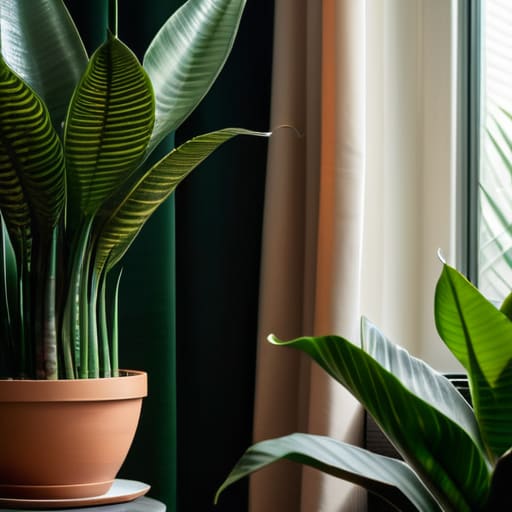
When I first moved into my studio apartment, the dim, north-facing corners felt less like living spaces and more like dead zones in a circuit diagram. I felt a certain paralysis, wondering if I was even capable of sustaining life in such a low-energy environment. But that’s the beauty of understanding system inputs; if the light input is low, you simply need to select organisms designed for that specific threshold. Choosing low light houseplants for beginners isn’t just about picking something “hard to kill”—it’s about selecting the right biological anchors that can thrive on minimal solar energy.
Think of plants like the Sansevieria (Snake Plant) or the Zamioculcas zamiifolia (ZZ Plant) as the resilient nodes in your domestic network. These species are masters of efficiency, capable of storing resources and maintaining structural integrity even when the light levels fluctuate. By introducing these hardy architects, you aren’t just decorating; you are establishing a stable foundation for your indoor ecosystem. Once these anchors are in place, you’ll find that the subsequent layers of your botanical labyrinth become much easier to manage and understand.
Mapping the Micro-Climates: Five Tactical Shifts for Your Indoor Ecosystem
- Stop treating your plants like static decorations and start observing them as dynamic feedback loops; a drooping leaf isn’t just a sign of thirst, it’s a real-time data point in a complex exchange of moisture and tension that tells you exactly where your current watering rhythm is failing.
- View your home not as a single room, but as a patchwork of micro-climates where a drafty window or a heat vent creates localized turbulence, meaning your fern might thrive in one corner while its sibling struggles in the exact same room due to a subtle shift in airflow.
- Master the art of the “tactile interrogation” by using your finger to probe the soil depth, because relying on a rigid, calendar-based schedule is like trying to navigate a shifting maze with an outdated map—it ignores the unpredictable variables of humidity and seasonal light shifts.
- Treat fertilization as a seasonal nutrient injection rather than a constant stream, much like how a city’s infrastructure requires different types of maintenance during peak usage versus the quiet ebb of winter, preventing the “system overload” of salt buildup in your pots.
- Embrace the “pruning paradox” by recognizing that removing a decaying leaf isn’t an act of destruction, but a strategic reallocation of energy, allowing the plant to redirect its limited resources from a failing component toward the growth of new, more efficient nodes.
Navigating Your Green Labyrinth
As we step back from the granular details, it becomes clear that indoor gardening is far more than a checklist of chores; it is the art of managing a delicate, living feedback loop. We have explored how to decode the subtle rhythms of hydration and how to strategically select resilient species that can anchor your domestic ecosystem even in the dimmest corners of your home. By viewing your plants not as static decorations, but as dynamic components of a complex system, you move from a place of guesswork to a place of intentionality. You aren’t just keeping things alive; you are learning to read the silent language of biological signals, from the tension in a leaf to the moisture in the soil.
I often find myself sitting in my favorite corner cafe, sketching out the interconnectedness of urban transit lines with my blue and green pens, and I see the same beautiful truth in your windowsill garden. Every wilted leaf is not a failure, but a data point—a nudge from the system asking you to recalibrate your approach. As you continue to cultivate your indoor oasis, remember that the goal isn’t perfection, but ongoing observation and adaptation. Embrace the beautiful chaos of growth, trust your ability to map these new patterns, and enjoy the profound satisfaction of finding harmony within the living labyrinth you have created.