Did you know the fast fashion industry makes about 100 billion garments every year? This number shows how much we love trendy, affordable clothes. Brands like H&M, Zara, and Forever 21 make fashion easy to get. But, we often ignore the big problems fast fashion causes.
The fast fashion world is very harmful. It leads to over 92 million tonnes of clothes ending up in landfills every year. This hurts our planet and people’s rights. As shoppers, we can choose to buy sustainable fashion. This can help make the clothing industry better for everyone.
Key Takeaways
- Fast fashion contributes to over 92 million tonnes of clothing waste each year.
- The industry employs approximately 75 million factory workers globally.
- Less than 2% of garment workers earn a living wage, leading to widespread poverty.
- It produces 10% of annual global carbon emissions, heavily impacting climate change.
- Only 1% of brands disclose the living wages of their workers.
Understanding the Impact of Fast Fashion
Fast fashion is a term that captures the essence of a highly efficient but problematic clothing industry model. This approach focuses on producing trendy garments at breakneck speed, often sacrificing quality and durability. The early 2000s saw a rise in fast fashion, with a shift towards cheaper, disposable clothing. An estimated 150 billion items are produced each year, with the U.S. market valued at $41.15 billion in 2023 and projected to grow to $59.85 billion by 2030.
What is Fast Fashion?
This model thrives on the immediate gratification of consumers seeking the latest styles without considering the long-term implications. Many of these garments are made in sweatshops, mainly in countries like Bangladesh and India, where labor costs are minimal. Workers in these facilities often earn less than a living wage, with a minimum monthly salary as low as $113 for garment workers in Bangladesh.
The Economic Model Behind Fast Fashion
The underlying economic model is structured around reducing production costs through low-paid labor and the use of synthetic materials. Oil-based polyester, for example, makes up approximately 50% of fiber production in the fashion industry. While brands enjoy substantial profits from inexpensive clothing, this success contributes to a throwaway culture. Research indicates that many consumers dispose of items after wearing them only 7 to 10 times. The U.S. generated around 17 million tons of textile waste in 2018, highlighting the unsustainable nature of this consumption pattern.
The Fast Fashion Controversy
The fast fashion world has big problems that harm our planet and people. Its quick production and our demand for more cause huge environmental damage and human rights issues. It’s key to think about what we wear and how it affects others.
Environmental Consequences
Fast fashion’s impact on the environment is huge. It’s responsible for 10% of global carbon emissions, and this number could grow by 50% by 2030. The industry uses 93 billion cubic meters of water yearly, enough for five million people.
Each piece of clothing is worn just 14 times before it’s thrown away. This creates a massive amount of waste.
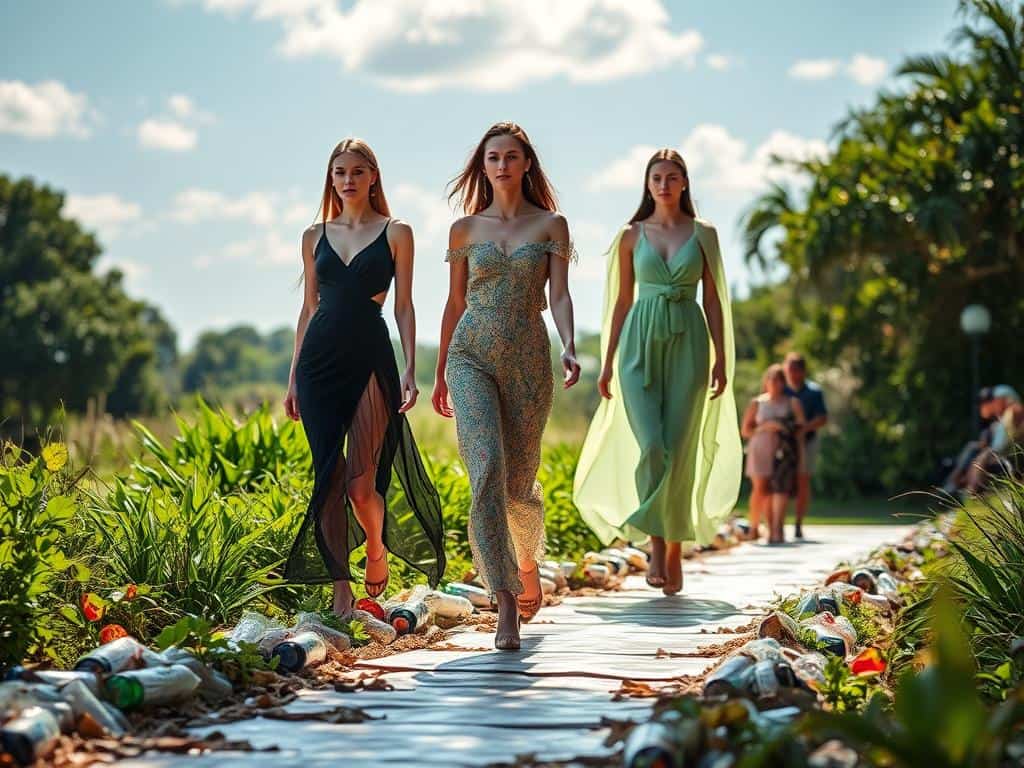
Every year, clothes dump half a million tonnes of microfibers into the ocean. This harms marine life. Synthetic fibers, like polyester, take 200 years to break down. Fast fashion’s focus on making money harms our planet and pollutes it.
Human Rights Violations
Fast fashion also hurts workers in sweatshops. About 75 million factory workers worldwide face bad conditions and low pay. Only 2% earn enough to live on. Countries like India, Bangladesh, and Pakistan are big in garment production but often exploit workers.
In some Indian factories, 100% of women have faced or seen gender-based violence. This shows we need to support ethical clothing and push brands to treat workers fairly. By choosing sustainable fashion, we can help fight against fast fashion’s wrongs.
Conclusion
The fast fashion controversy shows us how important it is to think about what we wear. The fashion world is a big polluter, with about 10% of global carbon emissions. It also uses a lot of water. This makes it urgent to change our ways.
Every year, 85% of clothes made end up in landfills. In the US, people throw away 82 pounds of clothes each year. These numbers show we need to buy clothes in a more sustainable way.
Choosing clothes that are made ethically helps both the planet and people. Buying clothes that last longer and are made to last is a good start. It helps reduce the harm fast fashion causes.
Slow fashion is about making choices that care for the planet and people. It’s about picking clothes that are good for the environment and made fairly.
Every time I buy clothes, I’m making a choice that matters. I choose brands that care about the planet and treat workers fairly. This helps create a fashion world that values people over profits.
This isn’t just about me; it’s about all of us working together. We can make a big difference in an industry that affects millions of people around the world.

