In fiscal year 2023, the U.S. government gave about $68.2 billion to 172 countries. This shows the kindness of the American people and a smart plan to tackle global problems. Even though some think a lot of the budget goes to foreign aid, it’s really less than 1%.
The U.S. gives less per person than other countries, but it leads in helping others. This is interesting because it shows how the U.S. wants to help but also has its own needs.
The government’s foreign aid includes military and humanitarian help. Most of this money goes through the U.S. Agency for International Development (USAID). With a budget of about $42.45 billion, it helps keep economies stable, builds partnerships, and gives aid when needed.
In 2023, Ukraine got the most help, with $16 billion. This shows how important it is for the U.S. to have good relationships with other countries.
As I look into U.S. foreign aid, I’ll talk about its effects, why it’s so important, and how it affects global relations.
Key Takeaways
- The U.S. pledged approximately $68.2 billion in foreign aid in 2023.
- Only a fraction of the federal budget, below 1%, is allocated to foreign assistance.
- USAID operates with an annual budget of about $42.45 billion.
- Ukraine received the highest amount of U.S. foreign assistance in 2023 at $16 billion.
- The U.S. is a leading provider of bilateral development assistance globally.
- Foreign aid is critical for economic stability and international partnerships.
The Rationale Behind Foreign Aid Policies
Foreign Aid Policies are complex, aiming at both helping people and advancing strategic goals. They help countries economically and build global partnerships. The U.S. has given a lot of money to help other countries, improving diplomatic relations and stability.
Understanding the Objectives of Foreign Aid
The main aim of foreign aid is to reduce poverty and better people’s lives. In 2022, the U.S. gave about 11 billion USD to help countries grow economically. This aid has helped cut extreme poverty from 2 billion in 1990 to 712 million in 2022.
This effort not only helps people but also boosts the U.S. image and influence globally.
Economic Stability and Building Global Partnerships
Economic stability is key to successful foreign aid. Research shows that aid can positively impact a country’s economy. The U.S. invests in poor areas to encourage trade and build partnerships.
The U.S. also gives a lot of humanitarian aid, like 63 billion USD in 2023. This shows a strong commitment to working together internationally. By helping in crises, like the earthquakes in Turkiye and Syria, the U.S. shows it cares about both its interests and helping others.
Humanitarian Aid and Global Diplomacy
Humanitarian aid is key in building global diplomacy and improving the U.S. image abroad. It’s more than just giving; it shapes how countries relate to each other. By helping those in need, the U.S. builds partnerships for peace and growth.
This aid helps the U.S. connect with both friends and foes. It’s a smart way to build trust and start conversations.
The Role of Humanitarian Assistance in Foreign Relations
Humanitarian aid is vital for strong foreign ties. It boosts the U.S. image and influence worldwide. By helping in crises, the U.S. shows it cares and strengthens its position.
This aid also helps fragile governments and pushes for openness. It tackles big issues like health, education, and building needs. This way, it sets the stage for lasting partnerships.
Success Stories from U.S. Foreign Aid
U.S. foreign aid has led to many successes. For example, PEPFAR has saved countless lives. It shows how focused help can transform communities.
There have also been big wins in health, cutting down deaths in children and mothers. These wins show how aid can make a big difference. They prove that helping others can also help the U.S. achieve its goals.
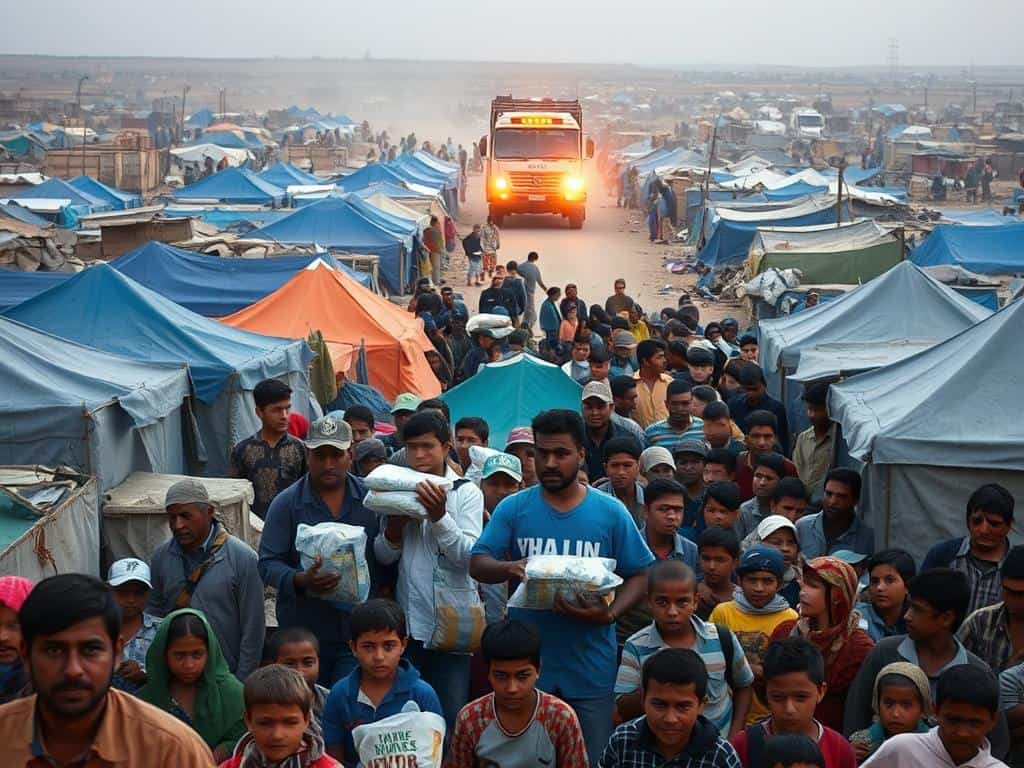
Foreign Aid Policies: Examining Popular Myths
Foreign aid policies often spark debates filled with various opinions and interpretations. Examining the prevalent myths helps us understand the landscape surrounding these policies. Many people misconstrue the realities of foreign assistance, leading to significant misunderstandings about its implications and true cost.
Fact vs. Fiction: Addressing Common Misconceptions
One common misconception about foreign aid policies is that they consume a large portion of the U.S. budget. Polls suggest that many Americans believe this figure to be around 25%, while the reality shows foreign assistance accounts for approximately 1% of the total expenditures. This stark contrast reveals a lack of awareness that can skew public perception and influence policy discussions.
Many also think that foreign aid mainly goes to governments. A closer look at the data indicates that nearly 80% of this funding actually reaches nongovernmental organizations, academic institutions, and multilateral groups. This funding distribution aims at ensuring the aid is implemented effectively and reaches those in need.
The True Cost of Foreign Aid: More Than Just Numbers
The true cost of foreign aid goes beyond mere budget allocation figures. Programs like the Millennium Challenge Corporation (MCC) show a strong commitment to transparency and accountability. With a budget of around $900 million annually, MCC has invested over $15 billion across more than 40 agreements in over 30 countries, predominantly in Africa. This investment is expected to positively impact approximately 215 million lives. Such outcomes cast a different light on perceptions regarding the efficiency and effectiveness of foreign aid.
Further, the President’s Emergency Plan for AIDS Relief (PEPFAR) has invested nearly $100 billion, saving over 25 million lives over the past 20 years. These statistics provide essential insight into the profound humanitarian benefits associated with foreign assistance efforts.
Continued scrutiny over foreign aid disbursements emphasizes the need to align spending with national interests. I strive to understand the complexity of these policies and their ramifications, ensuring that every dollar spent can create a measurable, positive impact in recipient countries.
Conclusion
Foreign aid policies are key to the U.S. role in the world. The government’s big financial help meets humanitarian needs and supports national interests. This helps America lead in global cooperation.
The billions spent in the Middle East show this dual goal. They help keep the area stable and build partnerships.
Foreign aid is vital for helping areas in conflict or economic trouble. Being open about aid helps get public support. This support is key for lasting global development.
Every dollar helps make the world more stable. Foreign aid is more than just a budget item. It’s essential for democracy, human rights, and security.
Looking at foreign aid, we see it needs constant review and change. Knowing the local situation is key to using aid well. This way, the U.S. can keep helping the world stay stable and prosperous.

