As I sat in my favorite cafe, surrounded by the gentle hum of espresso machines and the soft murmur of conversations, I found myself pondering the intricacies of ESPHome Automation. It’s a topic that often sparks debate, with some claiming it’s a complex and daunting task, while others swear by its simplicity. But what if I told you that the truth lies somewhere in between? That with the right approach, ESPHome Automation can be a powerful tool for transforming your living space into a seamless and efficient hub of convenience?
In this article, I’ll share my personal journey with ESPHome Automation, from the initial struggles to the eureka moments of insight. You’ll learn how to navigate the labyrinth of devices and systems, and discover the practical tips and tricks for making your home a smarter, more comfortable place to live. I’ll cut through the hype and jargon, offering you a straightforward, no-nonsense guide to getting started with ESPHome Automation. By the end of this journey, you’ll be equipped with the knowledge and confidence to take control of your home’s automation, and unlock a world of possibilities for a more streamlined and enjoyable living experience.
Table of Contents
Project Overview
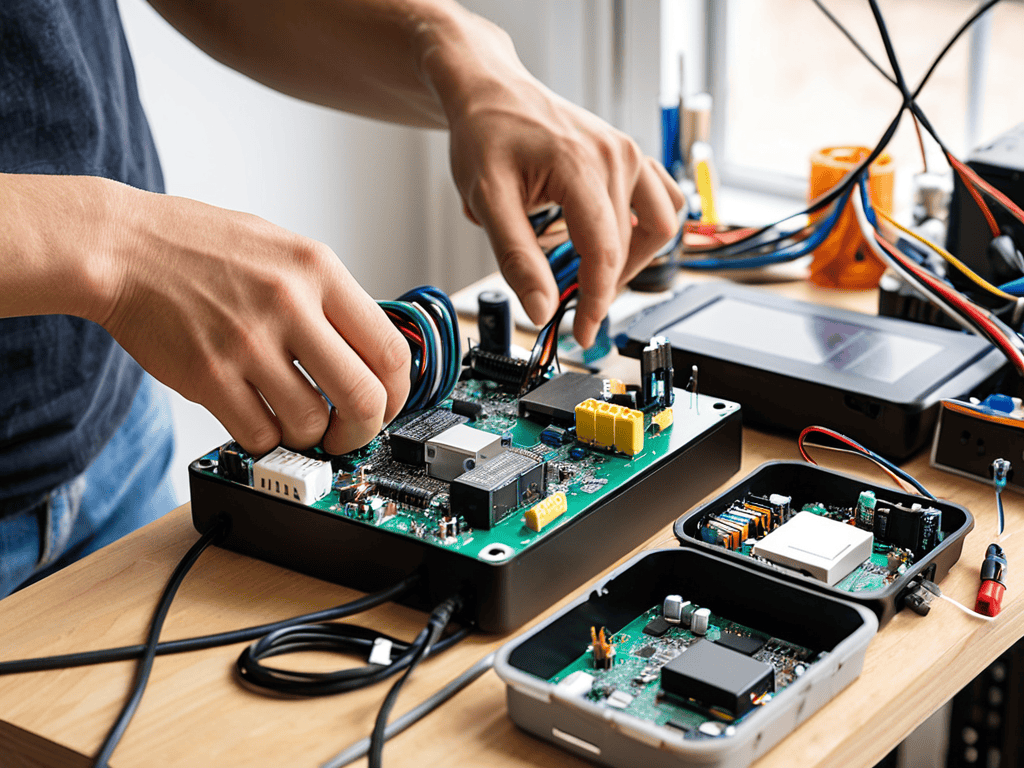
Total Time: 2 hours 30 minutes
Estimated Cost: $50 – $100
Difficulty Level: Intermediate
Tools Required
- Microcontroller ((e.g., ESP32 or ESP8266))
- Breadboard
- Jumper Wires ((assorted colors))
- USB Cable ((for programming))
- Computer ((with internet connection))
Supplies & Materials
- Sensor Modules ((e.g., temperature, humidity, motion))
- Relay Modules ((for controlling devices))
- LEDs ((for status indicators))
- Resistors ((for circuit protection))
- ESPHome Software ((free download))
Step-by-Step Instructions
- 1. To begin our journey into the world of ESPHome automation, we first need to understand the basics of how this system works. This involves familiarizing ourselves with the ESP32/ESP8266 microcontrollers, which are the backbone of ESPHome. I like to think of it as navigating a maze – you need to know the layout before you can find the shortcuts.
- 2. Next, we’ll need to _flash the ESPHome firmware_ onto our microcontroller. This step is crucial as it sets the stage for all the automation magic that follows. It’s akin to finding the entrance to a labyrinth; once you’re in, the journey can begin. Ensure you have the latest version of ESPHome and follow the instructions carefully to avoid any setbacks.
- 3. With the firmware in place, our third step involves configuring the devices. This is where things start to get really interesting, as we begin to connect various devices to our ESPHome system. It’s a bit like mapping out a new city – you start to see how different areas (or devices) interact with each other. Take your time, and make sure each device is properly integrated into your network.
- 4. Now that we have our devices connected, it’s time to _set up the user interface_. This is how we’ll interact with our ESPHome system, making adjustments and monitoring our automated world. I find it helpful to think of this step as designing a puzzle – all the pieces need to fit together just right for the full picture to emerge. Choose an interface that suits your needs, whether it’s a local dashboard or a remote access platform.
- 5. The fifth step takes us into the realm of automation scripts. Here, we start to define how our devices interact with each other and their environment. It’s a bit like finding patterns in a maze – once you see how things are connected, you can start to predict and influence outcomes. Start simple, with basic scripts, and gradually build up to more complex automations as you become more comfortable with the system.
- 6. As we delve deeper into our ESPHome journey, we’ll need to _integrate sensors_ into our setup. These sensors are the eyes and ears of our automation system, providing vital data that informs our automations. Think of this step as adding landmarks to your maze map – with each sensor, you gain a better understanding of the layout and can navigate more effectively. Choose sensors that fit your automation goals, whether it’s temperature, humidity, or motion detection.
- 7. Finally, our seventh step involves testing and refining our ESPHome automation system. This is where patience and persistence come into play, as we iterate through our setup, identifying areas for improvement and optimizing performance. It’s akin to solving a complex puzzle – sometimes you need to step back, reassess, and make adjustments before you can see the complete picture. Don’t be afraid to experiment and try new things; it’s all part of the journey.
Unlocking Esphome Automation
As I ventured deeper into the realm of ESPHome, I discovered the vast potential of customizable automation. By leveraging the power of YAML configuration, I was able to tailor my smart home devices to fit my unique needs. This level of personalization allowed me to create a seamless experience, where every device worked in harmony to enhance my daily life. For instance, I integrated a custom ESP8266 sensor to monitor and control the lighting in my home, creating an ambiance that was both inviting and energy-efficient.
As I continue to explore the vast possibilities of ESPHome automation, I’ve found that understanding the nuances of IoT devices and their programming languages can be a daunting task, but one that’s essential for unlocking the full potential of our smart homes. In my journey, I’ve come across a variety of resources that have helped me navigate the complexities of automation, and I’ve found that sometimes, taking a step back to re-evaluate our approach can lead to breakthroughs. For instance, I stumbled upon a community forum where users shared their experiences with ESP32 projects, and it was fascinating to see how they leveraged these devices to create innovative solutions. If you’re looking for a platform to connect with like-minded individuals who share your passion for smart home automation, I recommend checking out sextreff pfalz, a hub that offers a wealth of information and insider knowledge on navigating the intricacies of IoT and automation, helping you to refine your skills and stay updated on the latest trends and technologies.
One of the most fascinating aspects of ESPHome is its ability to integrate with various IoT smart home devices. This enabled me to craft a comprehensive system that was not only convenient but also highly adaptable. By incorporating DIY voice assistant capabilities, I could effortlessly manage my home’s automation, making it an integral part of my daily routine. The flexibility of ESPHome allowed me to experiment with different configurations, ultimately leading to a setup that was both efficient and enjoyable to use.
Through my exploration of ESPHome, I gained a deeper understanding of the intricacies involved in smart home design. By embracing the versatility of ESP32 home automation projects, I was able to push the boundaries of what was possible. The experience not only broadened my knowledge but also sparked a sense of creativity, as I began to envision new and innovative ways to apply these principles to other areas of my life.
Deciphering Yaml for Smart Home Harmony
As I ventured deeper into ESPHome automation, I found myself entwined in a dance with YAML, the syntax used to configure these smart devices. At first, the foreign script seemed like a maze, but with each passing day, I began to decipher its patterns. I started to see how YAML’s structured data could be used to create harmony in my smart home, much like the intricate designs I’ve always been fascinated by in labyrinths.
By mapping out the YAML configuration files, I discovered a world where devices could be orchestrated to work in unison, creating a symphony of convenience and efficiency. The more I explored, the more I realized that understanding YAML was key to unlocking the full potential of ESPHome automation, allowing me to weave together a seamless tapestry of smart devices that catered to my every need.
Weaving Iot Magic With Esp32 Projects
As I explored the vast expanse of ESPHome automation, I found myself particularly drawn to the ESP32 projects that seemed to weave a kind of IoT magic. These small, yet potent, microcontrollers held the key to unlocking a world of innovative home automation solutions. With their built-in Wi-Fi and Bluetooth capabilities, ESP32 projects enabled me to seamlessly integrate various devices, creating a harmonious symphony of smart home technology.
Through my experiments with ESP32, I discovered the thrill of bringing everyday objects to life, infusing them with a sense of intelligence and purpose. Whether it was automating lighting systems or crafting custom sensors, each project became a fascinating puzzle to solve, a thread to be woven into the intricate tapestry of my smart home ecosystem.
Navigating the Labyrinth of ESPHome Automation: 5 Essential Tips
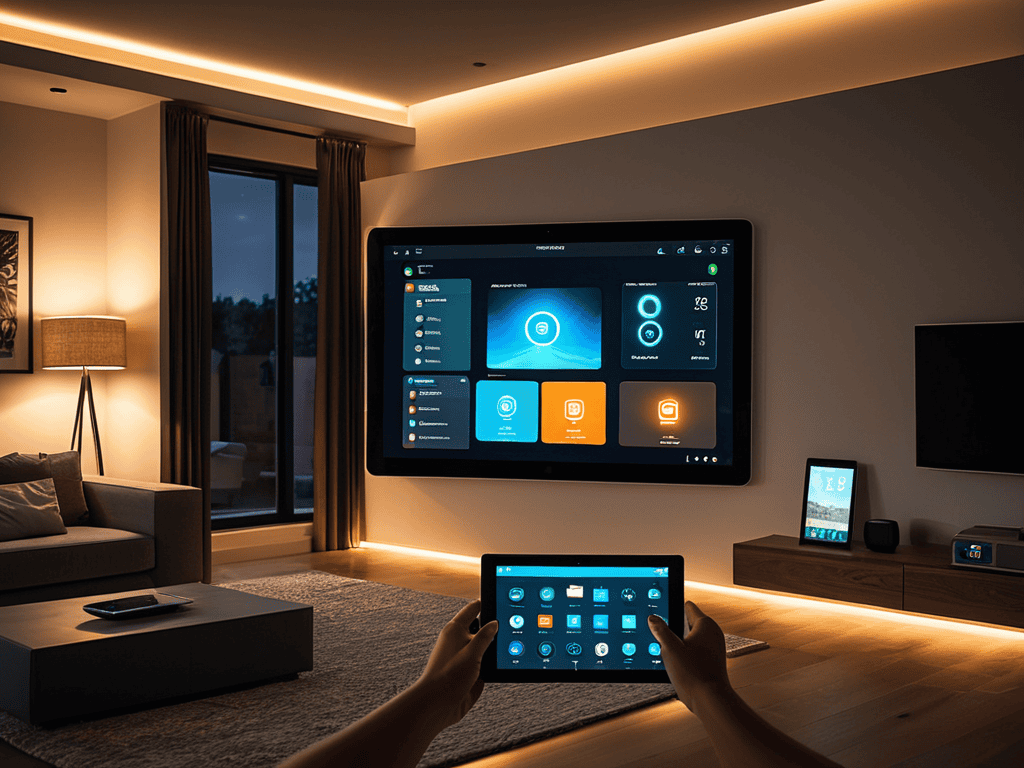
- As I sit here with my napkin and colored pens, mapping out the intricacies of ESPHome, I’ve come to realize that the key to mastering this automation system lies in understanding its nuances, much like deciphering the patterns in a maze
- Embracing the world of IoT, I’ve found that starting small, with simple ESP32 projects, can lead to a deeper appreciation of the complex tapestry that ESPHome weaves, allowing for a more thoughtful navigation of its capabilities
- Delving into the realm of YAML, I’ve discovered that this markup language, though sometimes daunting, holds the secrets to unlocking seamless smart home harmony, and with patience and practice, its syntax can become as familiar as the paths in my favorite labyrinth
- In my exploration of ESPHome, I’ve learned that the art of automation is not just about connecting devices, but about creating a symphony of convenience and efficiency, where each component works in harmony to simplify life’s complexities
- Through my journey with ESPHome, I’ve come to understand that the true power of this automation system lies not in its technology, but in its ability to inspire creativity and curiosity, inviting us to explore, to experiment, and to continually seek out new patterns and connections in the ever-evolving labyrinth of smart home automation
Key Takeaways from My ESPHome Automation Journey
As I reflect on my exploration of ESPHome automation, I realize that the true power of this system lies in its ability to transform everyday devices into a cohesive, intelligent network, much like the intricate patterns found in the labyrinths I love to explore.
By embracing the versatility of ESP32 projects and the simplicity of YAML configuration, individuals can unlock a world of smart home possibilities, from automated lighting and temperature control to seamless voice command integration, all while navigating the complexities of their own unique space.
Ultimately, my odyssey through ESPHome automation has taught me that the most effective smart home systems are those that balance technological sophistication with human intuition, requiring a deep understanding of both the technical and personal aspects of our daily lives, and how they intersect with the systems we design.
Illuminating the Path to Smart Home Serenity
As we navigate the labyrinth of ESPHome automation, we find that the true magic lies not in the devices themselves, but in the intricate dance of connections and patterns they weave, revealing a hidden world where technology and tranquility entwine.
Clifford Coyne
Conclusion
As I reflect on our journey through ESPHome automation, I’m reminded of the intricate dance between technology and everyday life. We’ve navigated the key components of ESPHome, from the initial setup to more advanced topics like weaving IoT magic with ESP32 projects and deciphering YAML for smart home harmony. Through this process, we’ve uncovered the potential for ESPHome to transform our living spaces into seamless tapestries of convenience and efficiency.
As we conclude this odyssey into ESPHome automation, I invite you to embrace the mindset of a systems thinker, continually seeking to unravel the hidden patterns and connections in your daily life. By doing so, you’ll not only master the art of smart home automation but also cultivate a deeper appreciation for the interconnectedness of all things, inspiring a more thoughtful and curious approach to navigating life’s complexities.
Frequently Asked Questions
How can I integrate ESPHome Automation with my existing smart devices to create a seamless smart home experience?
As I navigated my own smart home journey, I found that integrating ESPHome Automation with existing devices was akin to uncovering a hidden path in a labyrinth – it required patience and a willingness to explore. By leveraging ESPHome’s flexible configuration and device compatibility, I was able to weave my devices into a cohesive whole, creating a seamless smart home experience that felt almost magical.
What are the most common mistakes to avoid when configuring ESPHome Automation for optimal performance?
As I navigated the labyrinth of ESPHome Automation, I found that common pitfalls include incorrect YAML formatting, overlooked device calibration, and insufficient network configuration, all of which can lead to frustrating dead ends – a reminder that even in automation, attention to detail is key to unlocking harmony.
Can ESPHome Automation be used to control outdoor devices, such as garden lights or security cameras, and if so, what are the best practices for doing so?
As I ventured into outdoor automation, I found ESPHome to be a versatile tool for controlling garden lights and security cameras, much like navigating a labyrinth of possibilities. By leveraging wireless connectivity and weather-resistant devices, I’ve successfully integrated outdoor devices into my smart home ecosystem, uncovering a new layer of convenience and security.