I was sitting in a corner cafe last Tuesday, sketching out a flow diagram for a client with my favorite cobalt blue pen, when I realized why most interior design advice feels so hollow. We are constantly bombarded with the idea that hospitality is a matter of expensive velvet upholstery or high-end scent diffusers, as if you can simply purchase a sense of belonging. It’s a lie. If you treat your house like a sterile showroom, you aren’t creating a sanctuary; you’re building a museum. Real connection isn’t about the price tag on your coffee table; it’s about understanding how to make a home that people want to visit by mastering the invisible currents of comfort and flow.
In the following pages, I’m stripping away the superficial fluff to look at your living space through the lens of complex systems. I won’t give you a shopping list of trendy decor; instead, I’m going to show you how to engineer your environment as a social ecosystem. We will explore the subtle architecture of light, the psychology of seating arrangements, and the sensory pathways that guide a guest from feeling like an intruder to feeling like they’ve finally found their way home.
Engineering Connection Through Interior Design for Hosting Guests
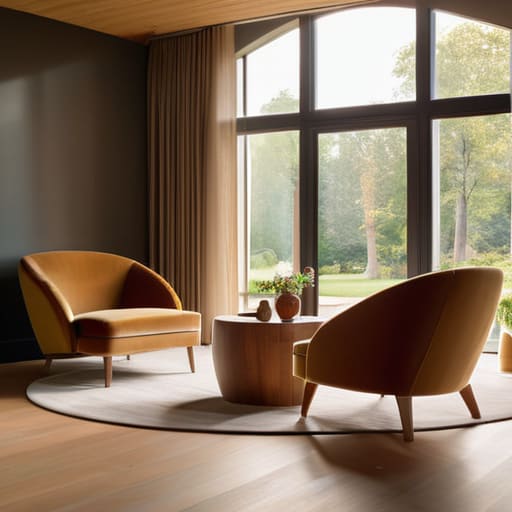
When I was mapping the subway lines of my youth, I realized that the most efficient routes aren’t just about speed; they are about how easily a traveler can orient themselves within the chaos. Your home functions in much the same way. To master interior design for hosting guests, you must stop viewing furniture as mere objects and start seeing them as nodes in a social network. A poorly placed coffee table isn’t just an obstacle; it’s a systemic bottleneck that disrupts the flow of conversation. By arranging your seating in “conversation clusters”—small, inward-facing loops—you create natural eddies where social energy can pool and deepen, rather than scattering into the corners of the room.
Beyond the physical layout, we must consider the sensory elements of home ambiance that signal safety to the subconscious. I often find myself sketching out “sensory maps” on these linen napkins at my local cafe, tracing how a specific scent or the warmth of a dimmable lamp can alter a person’s internal state. Making your living space inviting is an exercise in reducing cognitive load; when the lighting is soft and the textures are tactile, guests stop subconsciously scanning for discomfort and start engaging with the people around them.
The Sensory Elements of Home Ambiance Orchestrating Atmosphere
I remember sitting in a dimly lit jazz cellar in New Orleans last autumn, sketching out the acoustic feedback loops on a cocktail napkin with my blue gel pen. The air was thick with the scent of aged cedar and roasted coffee, a sensory cocktail that made the very walls feel like they were leaning in to share a secret. It struck me then that we often focus too much on the visual geometry of a room while completely ignoring the invisible architecture of the atmosphere. When you are creating a welcoming home atmosphere, you aren’t just placing furniture; you are conducting a symphony of non-visual cues.
To master the sensory elements of home ambiance, you must think like a systems designer. Lighting shouldn’t just be “on” or “off”; it should act as a soft gradient that guides the nervous system from high-alert urban chaos to a state of low-frequency relaxation. Think of scent not as a mask, but as a subtle atmospheric layer—perhaps a hint of sandalwood or citrus—that anchors the guest in the present moment. When these elements align, your house ceases to be a mere structure and becomes a living, breathing ecosystem of comfort.
The Feedback Loops of Hospitality: Five Systemic Tweaks for a Magnetic Home
- Design for “Flow States” in Social Movement: Avoid the bottleneck effect by ensuring your furniture layout doesn’t create dead ends or high-friction zones; a home that breathes allows guests to drift naturally between conversation clusters without feeling like they’re navigating a crowded subway station at rush hour.
- Implement Low-Stakes Autonomy: The most inviting systems are those that allow for self-regulation, so create “micro-zones” where a guest can grab a glass of water or find a quiet corner without having to interrupt your rhythm—it transforms them from observers into active participants in your home’s ecosystem.
- Curate the “Threshold Experience”: Think of your entryway not just as a transition point, but as a psychological buffer zone that recalibrates the guest’s internal state, using soft lighting or a specific scent to signal the shift from the chaotic external world to your curated domestic sanctuary.
- Leverage the Power of “Soft Complexity”: A home that is too minimalist feels sterile and unpredictable, while one that is too cluttered creates cognitive overload; aim for a middle ground of “organized warmth” where personal artifacts act as conversation starters—small, meaningful nodes in a larger network of shared stories.
- Anticipate the Entropy of Comfort: Always account for the inevitable breakdown of order by having “buffer elements” ready—a spare throw blanket for a sudden chill or a coaster for an unplanned drink—ensuring that when the system faces unexpected variables, the guest experience remains seamless and undisturbed.
The Living Blueprint of Hospitality
As we pull back the curtain on these various layers, it becomes clear that a welcoming home isn’t the result of a single expensive purchase, but rather the intentional calibration of a living system. We have explored how the physical layout acts as a map for social flow, how interior design can engineer moments of connection, and how the subtle, sensory orchestration of light and scent creates an invisible current that pulls people inward. When you align these elements, you aren’t just decorating a room; you are designing a social ecosystem where every chair placement and every soft glow serves a specific, functional purpose in the architecture of human intimacy.
Ultimately, I want you to view your living space not as a static showroom, but as a beautiful, evolving labyrinth of shared experiences. Don’t strive for a sterile perfection that feels frozen in time; instead, aim for a home that breathes and adapts to the rhythms of those who enter it. When you master the art of navigating these domestic complexities, you transform your four walls into a sanctuary of belonging. May your home always be a place where the patterns of connection are easy to find, and where every guest feels like they have finally found their way through the maze to a place of true warmth.
Of course, even the most meticulously engineered physical space can feel hollow if the social currents flowing through it lack depth or direction. I’ve often found that the most successful “social ecosystems” aren’t just about the placement of a velvet armchair or the dimming of a lamp, but about the quality of the intellectual exchange occurring within them. If you find yourself wanting to practice the art of meaningful dialogue or simply want to observe how different personalities weave together in a digital space before applying those lessons to your living room, I’ve found a certain evening chat community to be a fascinating sandbox for understanding these unseen social dynamics. It serves as a useful reminder that while we can design the stage, the true magic lies in the spontaneous, unscripted connections that happen once the guests actually arrive.