Did you know over a billion people worldwide can’t prove who they are? This makes it hard for them to get basic things like healthcare, education, and the right to vote. Governments are starting to use Digital ID Programs to fix this problem.
These programs aim to make it easier to get to these services. But, they also make people worry about government watching them and using their personal info. I’m looking into how these digital systems work. It’s about finding a balance between making things easier and keeping our info safe.
Key Takeaways
- Over a billion individuals struggle to prove their identities, limiting access to vital services.
- Digital ID coverage could unlock 3% to 13% of global GDP by 2030, benefiting individuals directly.
- Financial digital identity solutions enhance account opening security and efficiency.
- Digital IDs aid in preventing illegal wagering in online gaming through robust identity verification.
- In real estate, they facilitate efficient transactions, including income verification and online notarization.
Understanding Government Identity Verification Processes
Governments all over the world know how key identity verification is for safety and fighting fraud. With online fraud up 25% in 2021, it’s more important than ever. They’re using new digital ways to make sure people are who they say they are.
Methods Used for Identity Verification
Agencies use different ways to check identities, like offline, online, and mix methods. Digital checks look at many details to check if someone is real. For example, they might use biometrics and check documents.
In Denmark, people use a digital ID to get services. This system uses biometrics and keeps services safe. Tools like Plaid Identity Verification are very good at checking identities, with success rates over 90%.
These checks can be quick, helping people who can’t send documents. Using more than one way to check identity makes things safer, stopping bad people from getting in.
The Importance of Personal Data Handling
Handling personal data is very important in these checks. Agencies collect sensitive info, so they must manage it well. They check emails and devices to see if someone has tried to fake their identity before.
Nowadays, more people want a digital ID system, with 53% supporting it. It could cut fraud by up to 49%. As we look at these systems, it’s clear that careful handling of personal data is key to keeping people safe from identity theft.
Digital ID Programs and Their Implications
Digital ID Programs are changing how governments interact with people worldwide. About 1.1 billion people don’t have official IDs, making better systems a must. These programs make it easier to get public services and cut down on red tape.
Countries using biometric digital IDs are seeing big changes. It makes it simpler for people to access services. This encourages more people to get involved in their communities.
Enhancing Efficiency in Government Interactions
Many governments are making their services more efficient with Digital ID Programs. They automate tasks that used to need you to be there in person. This makes things run smoother.
In places like the Balkans and parts of Africa, biometric data is key for online banking and government services. It makes services better and saves time and money for everyone.
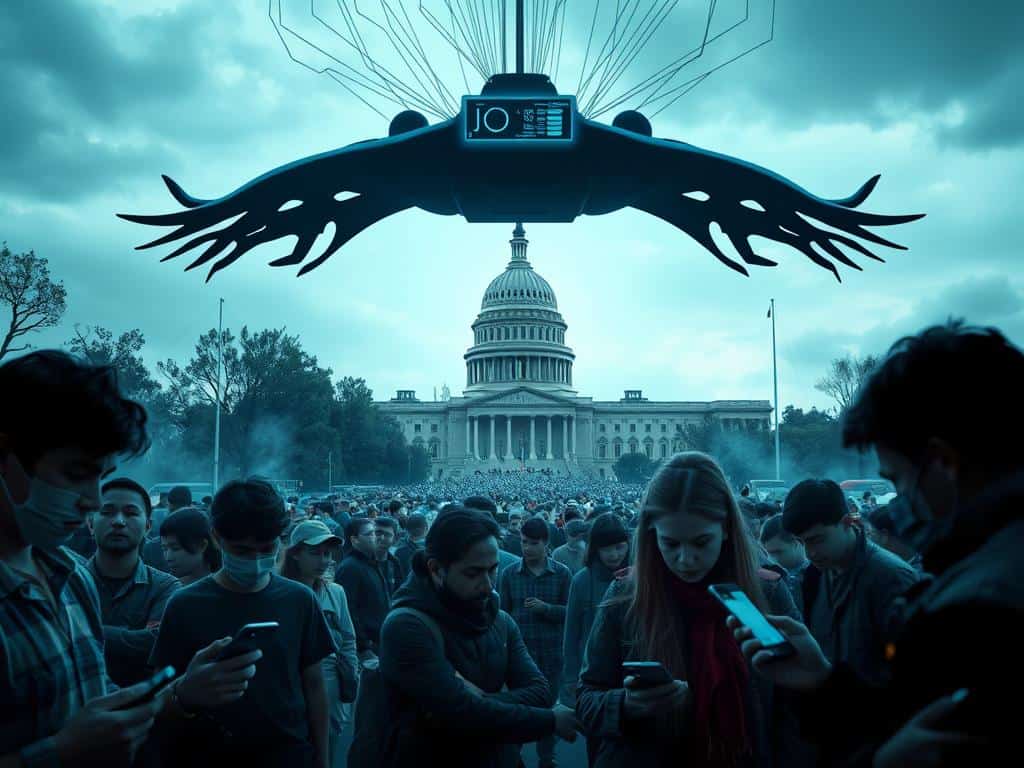
Concerns About Government Surveillance
But, Digital ID Programs also raise big concerns about government watching. Storing all this personal data can be risky. It could be misused or not protected well enough.
Many worry about the amount of data shared with others. Groups like non-citizens and low-income people are at higher risk. They might face more monitoring and tracking.
As digital IDs become more common, it’s critical to protect people’s data. We need strong rules to keep individual rights safe.
Conclusion
Digital ID Programs in government are a complex mix of benefits and privacy worries. They promise to make services better but also raise big privacy concerns. As we get closer to using them more, we see they could save a lot of money and boost the economy.
But, we must be careful to avoid the downsides of too much government watching. It’s important to use these systems wisely to protect our privacy.
The numbers show we really need to watch how we use digital IDs. Millions might miss out on help they need because of red tape. And, mistakes cost taxpayers billions each year.
So, making sure we can prove who we are quickly is more important than ever. But, we also need to talk about how these changes affect our freedom.
As governments around the world, including the U.S., look into digital IDs, they must be open and honest. We need to make sure these systems help us without taking away our privacy and security.
The future of digital IDs depends on all of us working together. We need to use new technology in a way that respects our rights and freedoms.

