Did you know that about 34% of adults in the U.S. have metabolic syndrome? Yet, many believe in old diet myths like low-fat eating. These myths can really mess up our diet choices and health. We’re surrounded by false info from social media and wellness sites. It’s key to know what’s true and what’s not in nutrition.
Nutrition science has changed a lot, showing how important it is to eat right for weight control. Old beliefs can slow down our health progress. For instance, thinking all calories are the same ignores how hormones and genes affect our health. Learning the truth helps us make better choices for our health.
Key Takeaways
- Metabolic syndrome affects a lot of American adults, making new nutrition info important.
- Low-fat diets can actually be harmful, showing not all fats are bad.
- Knowing about dietary fats is key for good health, as they help with weight loss.
- Understanding meal patterns, not just how often we eat, is better for healthy eating.
- It’s important to debunk myths about non-nutritive sweeteners to keep our diet right and avoid metabolic problems.
Understanding Common Diet Misconceptions
In the world of healthy eating, many myths confuse us. These myths make it hard to understand what’s best for our health. Let’s look at three big misconceptions that often come up in diet talks.
Misconception: “Calories in, calories out” is all that matters
The idea that weight control is just about “calories in, calories out” is too simple. While it’s true that energy balance is key, other factors like metabolism, hormones, and genes also play big roles. It’s more important to focus on the quality of food than just counting calories. Foods rich in nutrients are essential for real and lasting results.
Misconception: Eating breakfast is necessary for everyone
Many think skipping breakfast is bad for their health. But recent studies show that some might actually lose weight by skipping breakfast. What works best varies from person to person, based on their own needs and habits.
Misconception: Eating small, frequent meals boosts metabolism
Another myth is that eating small meals all day keeps your metabolism high. But research says this isn’t as important as we thought. What’s more important is meeting your energy needs and following your dietary preferences. Some people do well with fewer, bigger meals without losing weight or health.
Navigating Healthy Eating and Fats
There are many myths about dietary fat that can confuse our choices. Many think all fats are bad for health. But this is not true.
Myth: High fat foods are unhealthy
Many believe high fat foods are bad. They think avoiding all fats is the key to health. But this is not supported by science.
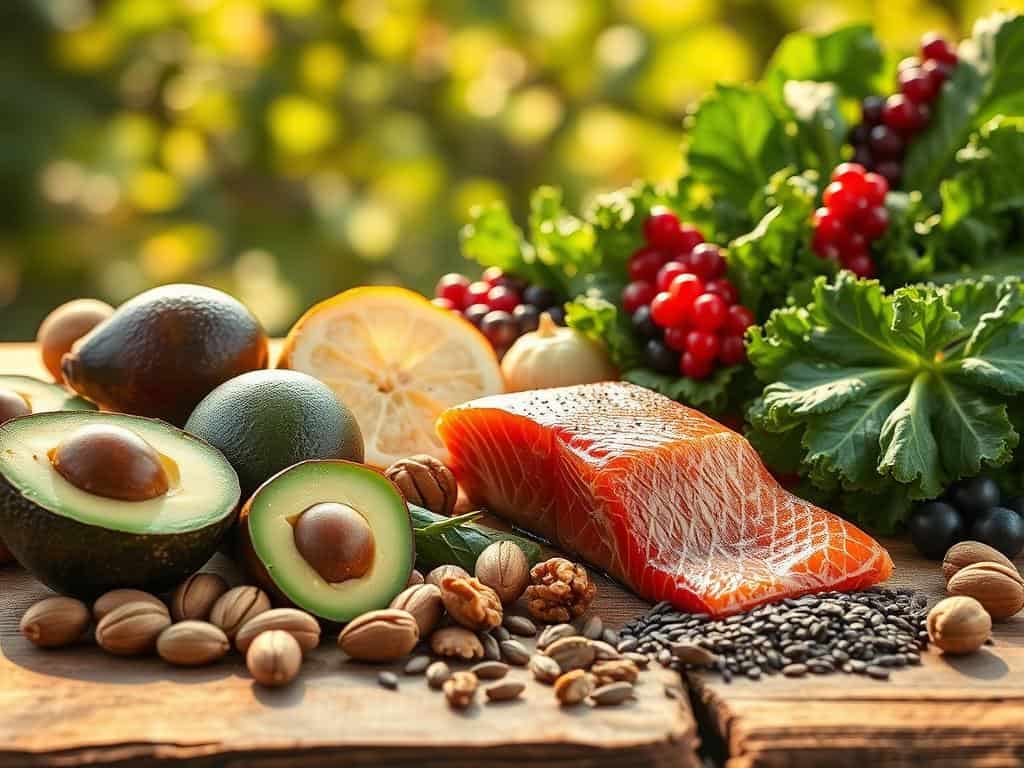
Some high-fat foods are actually good for us. Foods like avocados, nuts, and fatty fish are full of nutrients. They help us stay healthy without making us think all fats are bad.
Fact: Dietary fat is essential for optimal health
Dietary fat is important for our health. It helps our body absorb vitamins A, D, E, and K. These vitamins are key for our body to function well.
Adding healthy fats to our meals helps us feel full. This can help us eat less and stay healthy. So, eating some dietary fat is okay and can even be good for us.
Understanding the role of healthy fats
Healthy fats are good for our hearts. They are found in foods like olive oil, nuts, and seeds. These fats can lower bad cholesterol levels.
Knowing how different fats work in our diet helps us make better choices. It shows us how to enjoy fats in a healthy way.
Nutrition Myths Debunked
Exploring common misconceptions in healthy eating reveals many myths. These myths can mislead people trying to control their weight. Understanding these myths helps make better choices.
Myth: Non-nutritive sweeteners are a healthy alternative
Many think non-nutritive sweeteners are a good sugar substitute. But, studies show they can harm gut health and metabolism. This makes them questionable as healthy options.
Myth: Low-fat and diet foods are healthier options
Low-fat and diet foods are often seen as healthy. But, they often have added sugars and unhealthy ingredients. It’s important to look at the ingredients, not just the fat content.
Myth: Carbs lead to weight gain
The idea that carbs cause weight gain is oversimplified. It’s not just about carbs; it’s the type and quality that matters. Foods like fruits and veggies, rich in fiber, are good when part of a balanced diet.
Conclusion
In this journey through diet myths and facts, we’ve learned a lot. It’s key to know that not all calories are the same. For example, 100 calories from veggies are much better than the same from a candy bar.
This knowledge helps us make better food choices. It’s about picking foods that are good for us, not just filling.
We’ve also seen how important healthy fats are. Foods like avocados and nuts help us feel full and can aid in losing weight. Quality carbs in the right amounts can also protect us from serious diseases.
On the other hand, skipping meals can lead to unhealthy eating habits. This shows how wrong diet myths can harm our health.
As nutrition science keeps changing, it’s vital to be careful with the info we get. With so much false information online, it’s important to trust experts like registered dietitians. They can give us advice tailored to our needs.
By knowing the truth about nutrition, we can make choices that help us stay healthy. This knowledge is a powerful tool for a better life.

