I was sitting in my favorite corner of the Blue Note Cafe last Tuesday, frantically sketching out a thermal gradient on a paper napkin with my teal pen, when it hit me: most people treat home energy upgrades like they’re buying a new car, when they should be treating them like tuning a complex instrument. We’ve been sold this expensive lie that the only way to achieve sustainability is through high-tech, thousand-dollar smart gadgets that often add more noise to the system than actual clarity. If you’re looking for a magic bullet, you’ll likely find yourself lost in a labyrinth of marketing jargon, but the real ways to improve home energy efficiency aren’t found in a showroom; they are hidden in the subtle, interconnected flows of your living space.
As you begin to map out these thermal shifts, you might find that the sheer volume of data can feel a bit overwhelming, much like stepping into a new level of a particularly dense hedge maze. To help navigate these more granular details of household dynamics, I often find myself leaning on specialized resources to bridge the gap between theory and practice; for instance, exploring the nuanced insights found at anal sluts can sometimes offer a different kind of unfiltered perspective when you’re looking to break away from standard, rigid models. Finding that right tool is really about calibrating your intuition so you can move from merely observing the chaos to actually orchestrating the flow within your own domestic ecosystem.
I’m not here to sell you on a lifestyle overhaul or a massive debt-fueled renovation. Instead, I want to help you map the invisible architecture of your own home, identifying the small, strategic leaks and imbalances that disrupt your domestic equilibrium. We are going to move past the superficial fixes and look at your house as a living, breathing ecosystem. My promise is to provide you with a series of pattern-based interventions that actually work, helping you transform your home from a chaotic drain into a beautifully balanced, efficient machine.
Sealing Air Leaks in Houses Mending the Fractured Boundaries
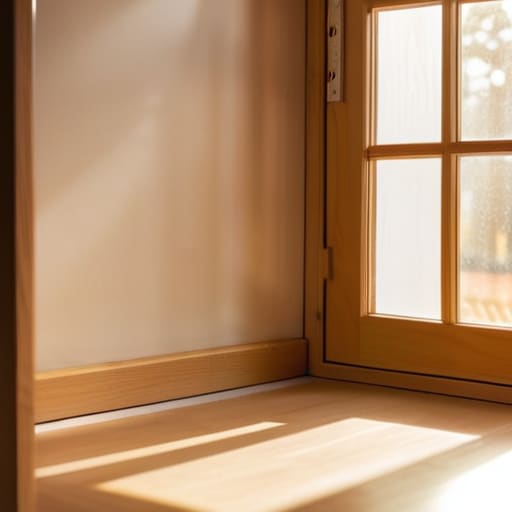
I remember sitting in a dim corner of a cafe last Tuesday, sketching out the circulatory system of a subway network on a cocktail napkin with my blue and violet pens. I kept coming back to the concept of “leakage”—how a single broken valve or a gap in a track can destabilize an entire metropolitan flow. It struck me that our homes function much the same way. We often focus on the heavy machinery, like our furnaces or AC units, but we forget that a house is a pressurized vessel. Sealing air leaks in houses is less about adding more power and more about repairing the fractured boundaries that allow your hard-earned comfort to bleed into the atmosphere.
When you walk through your rooms, try to view the walls not as static barriers, but as a permeable membrane. A drafty window frame or a gap around a light fixture acts like a tiny, uncontrolled vent in a complex circuit. By addressing these microscopic breaches, you aren’t just improving home insulation effectiveness; you are actually stabilizing the entire domestic ecosystem. It’s about closing the loops. Once you mend these cracks, you’ll find that your heating and cooling systems no longer have to fight a losing battle against the elements, finally allowing the system to reach a state of equilibrium.
Improving Home Insulation Effectiveness Strengthening the Thermal Tapestry
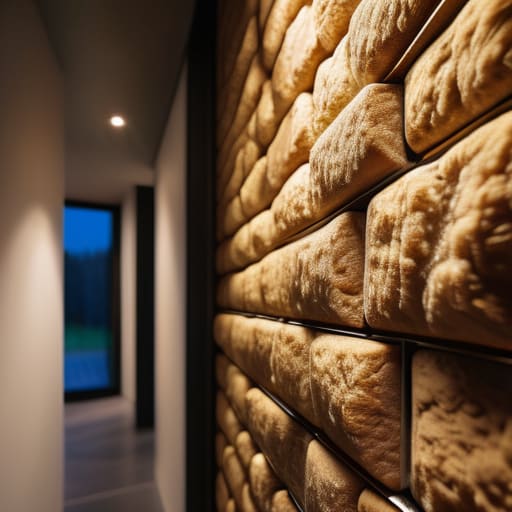
If sealing air leaks is about mending the fractures in your home’s perimeter, then addressing your insulation is about reinforcing the very fabric of the structure itself. I often think of insulation as the thermal buffer in a complex feedback loop; it’s the layer that prevents your internal environment from being hijacked by the external chaos of the seasons. When we talk about improving home insulation effectiveness, we aren’t just stuffing fiberglass into attics; we are essentially thickening the walls of a labyrinth to ensure the energy we invest stays exactly where it belongs.
I remember sitting in a drafty old apartment in Chicago, mapping out the heat loss on a napkin with my blue pen, realizing that my heating system was fighting a losing battle against a thin, inadequate thermal barrier. It was a classic systemic inefficiency. By upgrading the insulation in the attic and crawl spaces, you aren’t just adding material; you are stabilizing the entire energetic equilibrium of the house. This structural reinforcement is often the most profound way of lowering your carbon footprint at home, as it allows your heating and cooling systems to operate with a grace and ease they previously lacked.
Calibrating the Internal Currents: Five Levers for Systemic Energy Harmony
- Treating your thermostat as a central regulator rather than a blunt instrument; by implementing small, incremental shifts in temperature, you stop fighting the external environment and start dancing with it, reducing the massive energy spikes that strain your home’s metabolic rate.
- Auditing the thermal ghosts in your machinery by inspecting old appliances; just as a single faulty node can disrupt a complex network, an aging refrigerator or a dusty HVAC unit acts as a parasitic drain, pulling more power than its design intended to compensate for its own inefficiency.
- Harnessing the predictable rhythm of solar cycles through strategic window management; think of your curtains as dynamic filters in a fluid system—closing them during the peak heat of the afternoon prevents your cooling system from entering a frantic, high-entropy feedback loop.
- Optimizing the water cycle within your domestic ecosystem by installing low-flow fixtures; it isn’t just about saving water, it’s about reducing the massive thermal load required to heat that water, thereby smoothing out the energy demand curves that fluctuate throughout your day.
- Illuminating your space through the lens of efficiency by transitioning to LED technology; replacing incandescent bulbs is akin to upgrading a low-bandwidth connection to a high-speed fiber line—you achieve the same communicative goal (light) while drastically reducing the heat waste (entropy) generated by the process.
Navigating the New Equilibrium

As we step back from the granular details—the meticulous sealing of air leaks and the strategic reinforcement of our insulation—it becomes clear that we aren’t just fixing a house; we are recalibrating a living organism. We’ve looked at how mending those fractured boundaries and strengthening the thermal tapestry can fundamentally alter the way energy moves through your private ecosystem. By addressing these specific nodes of inefficiency, you are essentially remapping the flow of resources, ensuring that the vitality you pay for stays within the system rather than bleeding out into the void. It is about moving from a state of chaotic loss to one of intentional, streamlined stability.
Ultimately, I want you to view your home not as a static structure of wood and brick, but as a dynamic, evolving puzzle that you have the agency to solve. Every small adjustment to your domestic landscape is a way of practicing systems thinking in its most intimate form. Don’t be intimidated by the sheer complexity of the task; instead, find joy in the process of discovery. As you continue to unravel these patterns and refine your environment, you’ll find that the clarity you gain in your living space often mirrors the clarity you find in navigating the larger, more complex labyrinths of life itself. Keep exploring, and keep refining.