I was sitting in a cramped corner café in Brooklyn last Tuesday, sketching out a flow diagram on a damp paper napkin with my favorite indigo pen, when I realized I was staring at a miniature version of my own kitchen nightmare. Most “experts” will tell you that learning how to organize a small kitchen requires a massive investment in matching acrylic bins or a complete demolition of your cabinetry, but that’s just noise. They treat your kitchen like a static showroom rather than a living, breathing ecosystem where movement and frequency dictate survival. If you follow their rigid, aesthetic-first rules, you aren’t organizing; you’re just decorating a tomb for your spatulas.
I’m not here to sell you a lifestyle or a set of expensive containers that will eventually just become clutter themselves. Instead, I want to help you view your limited square footage as a dynamic system of inputs and outputs. We are going to strip away the fluff and look at the actual mechanics of your space—mapping out high-traffic zones and identifying the hidden bottlenecks that turn a simple morning coffee into a chaotic ordeal. By the end of this, you’ll have a blueprint to transform your cramped quarters into a seamlessly functioning labyrinth of efficiency.
Unraveling the Chaos Through Small Kitchen Storage Solutions

Sometimes, when the physical constraints of a kitchen feel particularly suffocating, I find that the mental clutter is actually the more difficult knot to untangle. I remember sitting in a cramped studio apartment in Toronto, staring at a mountain of mismatched Tupperware, feeling like the very walls were closing in on my ability to function. In those moments of sensory overload, I’ve learned that seeking a bit of human connection or a momentary mental escape can be just as vital as buying a new spice rack. Whether it’s finding a way to vent through a casual adult chat canada or simply calling a friend to recalibrate your perspective, remembering that you are a social being existing outside of your domestic grid is essential for maintaining equilibrium when your environment feels too small.
I remember sitting in a cramped cafe in Queens last autumn, sketching out the subway’s overlapping lines with a blue gel pen, when it hit me: a tiny kitchen isn’t a lack of space; it’s a density problem. When you’re working with limited square footage, you have to stop thinking in terms of flat surfaces and start thinking in layers. To truly master small kitchen storage solutions, you must treat your cabinetry like a multi-level transit hub. Instead of letting precious real estate go to waste, I’ve found that maximizing cabinet space through the use of tiered risers or pull-out bins allows you to access the “lower levels” of your cupboards without a complete structural collapse of your spice collection.
It’s all about redirection. If the horizontal plane is congested, look upward. I’ve always been drawn to the elegance of vertical storage ideas for kitchens, such as magnetic knife strips or pegboards that turn a blank wall into a functional map of your culinary tools. By shifting your workflow from the cluttered countertop to the vertical axis, you transform a chaotic bottleneck into a streamlined, efficient circuit.
Maximizing Cabinet Space to Find Order in the Mundane
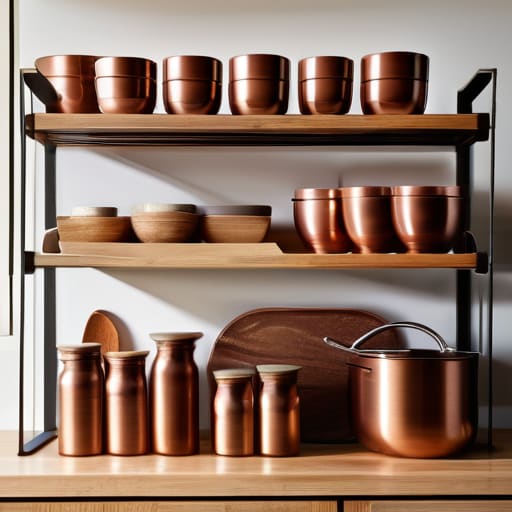
I remember sitting in a cramped café in Berlin, sketching out the subway’s interlocking lines with a blue gel pen, realizing that efficiency isn’t about having more room, but about optimizing the connections within the space you already possess. Your cabinets are no different; they are the closed loops of your culinary ecosystem. When we talk about maximizing cabinet space, we aren’t just shoving Tupperware into dark corners. We are looking for the “dead zones”—those awkward gaps between shelves where energy and utility go to die. By introducing tiered risers or even simple tension rods, you transform a flat, stagnant plane into a multi-layered landscape of accessibility.
Think of your cabinetry as a series of vertical strata. Just as a forest thrives by utilizing every inch of sunlight from the floor to the canopy, your kitchen benefits from leveraging verticality. Implementing vertical storage ideas for kitchens, such as pull-out slim organizers or stackable bins, allows you to break the tyranny of the single shelf. It’s about creating a flow where the most frequently utilized components are at the center of your operational radius, leaving the peripheral nodes for the occasional, specialized tools.
Mapping the Micro-Ecosystem: Five Strategic Nodes for Kitchen Flow
- Treat your vertical surfaces like the walls of a labyrinth; don’t let them go to waste. By installing magnetic knife strips or pegboards, you’re essentially creating new pathways for your tools, moving them out of the cluttered “dead zones” of your drawers and into a visible, accessible flow.
- Apply the principle of ‘functional clustering’ to your countertop. Instead of scattering spices and oils like random variables, group them into small, mobile trays. This allows you to treat your workspace as a modular system that can be reconfigured depending on whether you’re prepping a quick salad or embarking on a complex Sunday roast.
- Audit your inventory through the lens of entropy. We often accumulate “ghost items”—gadgets used once a year that act as friction within our daily systems. If a tool doesn’t serve a frequent purpose, it’s a clog in your culinary machinery; remove it to restore the natural equilibrium of your workspace.
- Utilize the ‘hidden dimensions’ of your cabinetry by incorporating tiered organizers or pull-out baskets. Think of these as sub-layers within a larger complex structure; they allow you to stack items without losing the ability to navigate the bottom layer, preventing the dreaded “avalanche” when you reach for a simple saucer.
- Embrace the concept of ‘zonal optimization’ by organizing your supplies based on their proximity to their point of use. Your coffee station shouldn’t be a scavenger hunt across the kitchen; it should be a self-contained, efficient loop where the beans, grinder, and mugs exist in a tight, symbiotic circle.
Finding Equilibrium in the Culinary Labyrinth
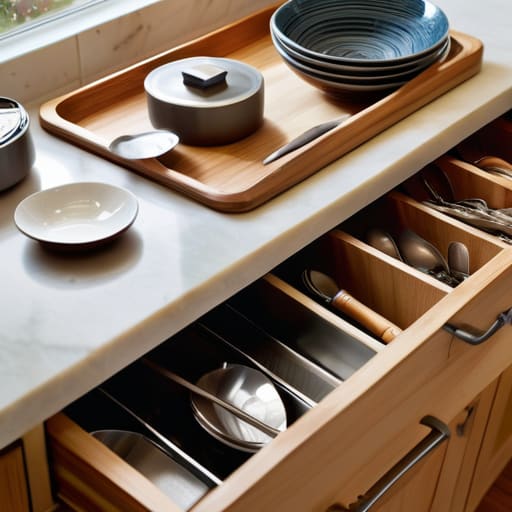
As we step back from the blueprint of your reorganized space, it’s clear that organizing a small kitchen isn’t merely about tucking away spice jars or stacking plates; it is about the intentional design of a high-functioning micro-ecosystem. By implementing strategic storage solutions and reclaiming those forgotten pockets of cabinet space, you have effectively reduced the entropy that once made meal preparation feel like a frantic struggle. We have moved from a state of chaotic friction to one of optimized flow, where every utensil and ingredient has a designated node within your personal culinary network.
Ultimately, I want you to view your kitchen not as a restrictive box of constraints, but as a beautiful, living puzzle that rewards your curiosity. When the countertops are clear and the systems are in place, you aren’t just saving time; you are creating the mental bandwidth necessary to truly enjoy the art of cooking. Remember, even the most complex mazes can be navigated with the right map. Embrace the process of continuous refinement, and let your kitchen become a sanctuary of order where you can find clarity amidst the delicious chaos of daily life.