I remember sitting in a cramped corner of a dimly lit cafe last winter, my fingers stained with blue and green ink from mapping out urban transit nodes on a discarded napkin. I was staring at a wilted, sad-looking basil plant on the windowsill—a frantic, expensive “smart garden” kit I’d bought on a whim. It was a chaotic mess of blinking lights and proprietary nutrient solutions that felt more like a broken computer than a living thing. Most people approach the question of how to grow indoor herb gardens as if they need to purchase a high-tech laboratory, but they’re missing the point entirely. They treat plants like static objects rather than the dynamic, breathing systems they actually are.
I’m not here to sell you on expensive gadgets or complicated chemical schedules that turn your kitchen into a sterile lab. Instead, I want to show you how to decode the subtle, beautiful feedback loops between light, moisture, and biology. We are going to strip away the hype and look at the underlying architecture of your windowsill. By understanding the simple rhythms of these miniature ecosystems, you’ll learn how to navigate the complexities of indoor gardening with confidence, turning a few simple pots into a flourishing, edible landscape.
Architecting the Foundation Soil and Nutrients for Vitality
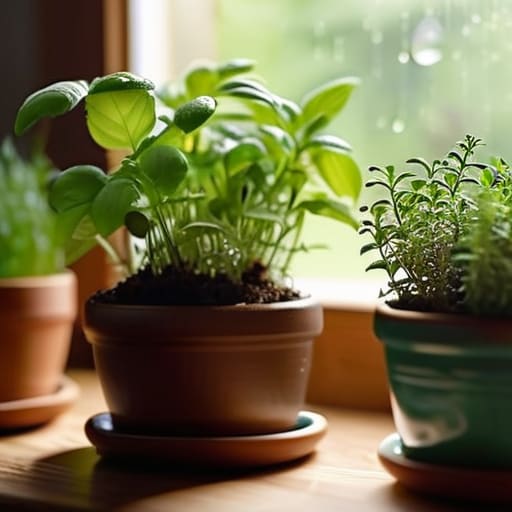
I was sitting in a small cafe in Santa Fe last Tuesday, sketching out a feedback loop on a napkin with my blue gel pen, when I realized that most people approach their windowsill greenery as a collection of isolated plants rather than a living, breathing system. When you begin container gardening for culinary herbs, you aren’t just putting dirt in a pot; you are designing the primary substrate of a miniature biological engine. If the foundation is stagnant, the entire system eventually cascades into failure.
Think of your potting medium not as mere “dirt,” but as the vital infrastructure that facilitates the exchange of information—in this case, water, air, and minerals. For a successful setup, you must prioritize the delicate balance of indoor herb garden soil and nutrients to ensure your plants don’t just survive, but thrive. I often tell my clients that a high-quality, well-draining organic mix acts like a well-mapped transit system; it allows essential elements to flow precisely where they are needed most, preventing the “traffic jams” of root rot or nutrient lockout that so often plague the uninitiated.
Illuminating the Labyrinth Mastering Indoor Herb Garden Lighting Requiremen
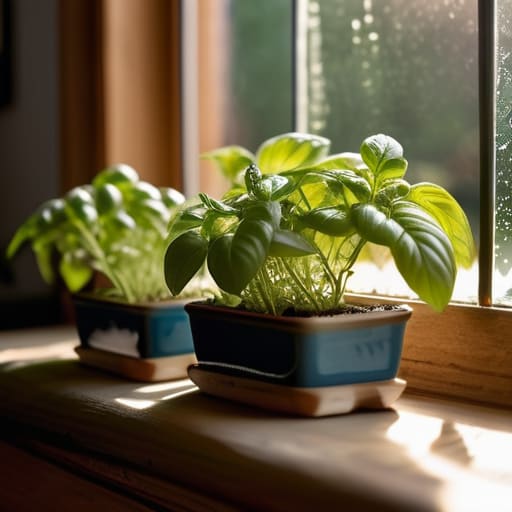
I remember sitting in a dimly lit corner of a cafe in Santa Fe, sketching out the transit nodes of the city with a violet gel pen, when it hit me: light isn’t just a resource; it’s the primary energy input that dictates the rhythm of any living system. When you transition from the macro-complexity of urban design to the micro-complexity of container gardening for culinary herbs, you realize that light acts as the invisible architect. It’s the most volatile variable in your indoor ecosystem. If you miscalculate the photon flux, your herbs won’t just struggle; they will lose their structural integrity, becoming leggy and weak as they desperately reach toward the nearest window like travelers lost in a dark maze.
Understanding your specific indoor herb garden lighting requirements is less about finding a bright spot and more about decoding the geometry of your space. While some enthusiasts chase the intense, direct glare of a south-facing window, others find success by curating a selection of the best herbs for low light indoors, such as parsley or chives, which are more forgiving of the shadows. I often tell my clients to view their windows as solar portals; you aren’t just placing a pot on a ledge, you are positioning a biological engine within a specific stream of energy.
Navigating the Feedback Loops: Five Tactical Interventions for Your Green Micro-System
- Master the Rhythm of Hydration: Instead of treating watering like a rigid schedule, view it as a dynamic feedback loop; touch the soil to sense the moisture levels, ensuring you aren’t disrupting the delicate equilibrium of the root zone.
- Curate Your Airflow Dynamics: A stagnant corner is a trap for pathogens, so introduce subtle air circulation—perhaps with a small, low-energy fan—to mimic the gentle breezes that prevent fungal buildup and strengthen stem architecture.
- Respect the Spatial Constraints: As your herbs expand, they will compete for resources; don’t be afraid to prune aggressively, as this strategic intervention redirects energy from runaway growth back into the essential, aromatic oils we crave.
- Decode the Nutrient Pulse: Plants don’t just eat; they process energy in waves, so introduce organic fertilizers in response to new growth spurts rather than at arbitrary intervals to avoid overwhelming the system’s chemistry.
- Monitor the Micro-Climate: Your windowsill is a shifting landscape of temperature gradients; keep a close eye on how heat radiates from the glass, as even a minor thermal spike can alter the entire metabolic rate of your miniature garden.
Navigating the Green Labyrinth: Final Reflections
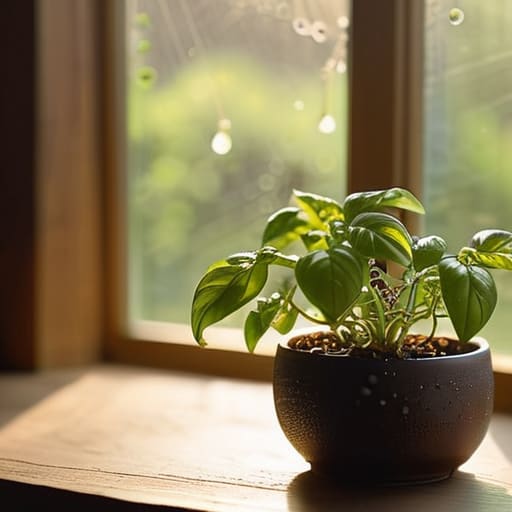
As we draw our maps of this miniature ecosystem to a close, I find myself reflecting on how much we’ve actually uncovered. We’ve moved past the surface-level idea of “planting seeds” and instead delved into the deeper architecture of life: the nutrient-dense soil that acts as your system’s foundation and the strategic orchestration of light that powers its internal engine. By balancing these variables—the moisture, the minerals, and the photons—you aren’t just keeping plants alive; you are managing a delicate equilibrium. When you see a basil leaf unfurl or a mint stem reach toward a window, you’re witnessing the successful output of a perfectly tuned biological system that you have carefully architected.
Ultimately, your indoor herb garden is more than just a culinary convenience; it is a living, breathing puzzle that rewards patience and observation. There will be moments of chaos—a sudden wilt, a yellowing leaf, or an unexpected pest—but remember that every disruption is simply a signal, a piece of data inviting you to recalibrate your approach. Don’t fear the complexity. Instead, embrace the role of the observer and the gardener alike. As you navigate this small, leafy labyrinth, I hope you find that the true joy lies not just in the harvest, but in the profound connection you forge with the rhythmic patterns of growth unfolding right on your windowsill.
As you begin to balance the delicate feedback loops of moisture and light, you might find that the sheer unpredictability of biological systems can occasionally feel overwhelming, much like navigating a sudden detour in a sprawling urban grid. I’ve learned that when the internal logic of a system feels slightly out of sync, sometimes the best way to recalibrate your own perspective is to step outside your immediate environment and embrace a different kind of spontaneous connection. Just as I might find unexpected inspiration through casual encounters las vegas to break a creative stalemate, allowing yourself a moment of unstructured social exploration can often provide the mental clarity needed to return to your garden—and your life—with a renewed sense of equilibrium.