I still remember the frustration in my grandmother’s eyes when she struggled with everyday tasks, and that’s why I’m passionate about home automation for aging in place. It’s astonishing how often this topic is shrouded in complexity, with many solutions focusing on expensive, high-tech gadgetry that can be overwhelming for seniors. As someone who’s spent years navigating the intricacies of complex systems, I believe that simplifying these technologies is key to making them accessible.
My goal is to provide you with honest, experience-based advice on how to harness the power of home automation to create a safer, more independent living environment for yourself or your loved ones. I’ll share personal anecdotes and insights gained from my work as a Complex Systems Consultant, highlighting the practical applications of home automation for aging in place. By cutting through the hype and focusing on real-world solutions, I aim to empower you to make informed decisions and unlock the full potential of these technologies to enhance your life or the life of someone you care about.
Table of Contents
Navigating Home Automation
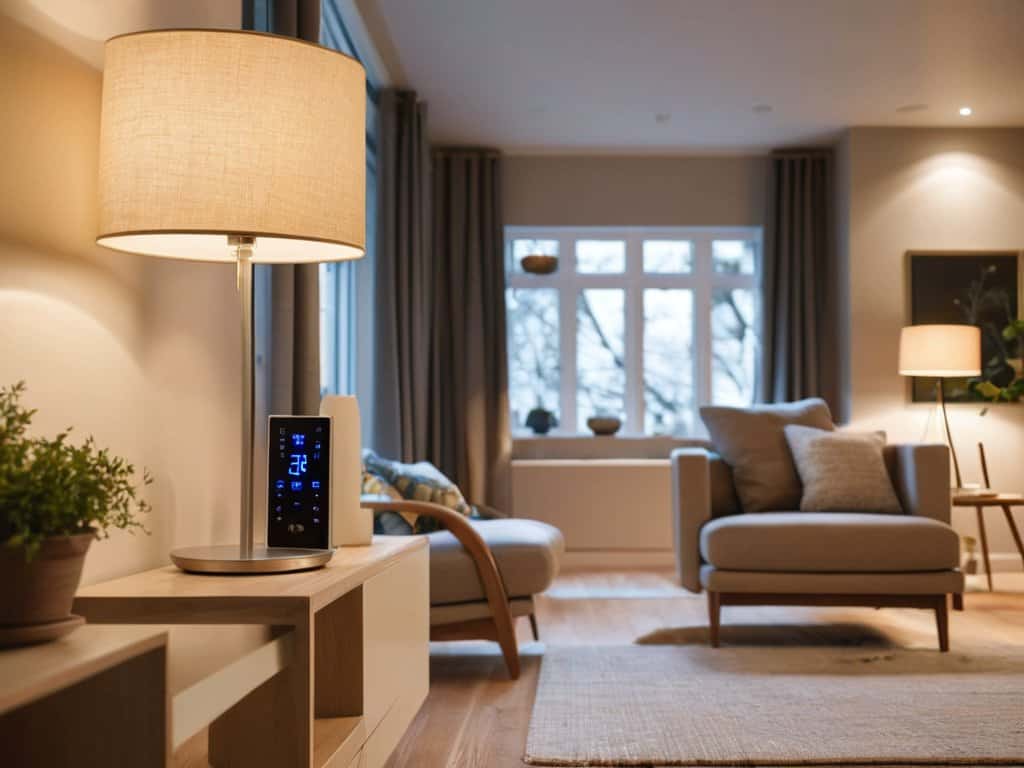
As I delve into the world of smart home devices for seniors, I’m reminded of my grandmother’s struggles with everyday tasks. She would often forget to turn off the lights or adjust the thermostat, leading to increased energy bills and an uncomfortable living space. That’s why I believe automated lighting can be a total game-changer for aging in place. With the ability to control lighting schedules and intensity, seniors can maintain a safe and comfortable environment without having to worry about manual adjustments.
One of the most significant benefits of home automation for seniors is the voice controlled thermostat. This feature allows individuals to adjust the temperature without having to physically interact with the device, making it an ideal solution for those with mobility issues. Additionally, medical alert systems for home can provide an added layer of safety and security, enabling seniors to quickly call for help in case of an emergency.
When it comes to navigating home automation, it’s essential to consider accessible home automation systems. These systems should be intuitive and easy to use, allowing seniors to control their environment without feeling overwhelmed. By incorporating smart home devices into their daily lives, seniors can maintain their independence and enjoy a better quality of life.
Accessible Lighting and Thermostat Controls
As I delve into the world of home automation for aging in place, I’m reminded of my grandmother’s struggles with everyday tasks. One aspect that stands out is the importance of intuitive controls, particularly when it comes to lighting and thermostat systems. Simple, user-friendly interfaces can make a significant difference in a senior’s ability to manage their environment comfortably.
Implementing smart lighting solutions can be a game-changer, allowing seniors to adjust lighting levels with ease, often through voice commands or simplified remote controls. This not only enhances their independence but also contributes to a safer living space by reducing the need for physical interaction with traditional light switches.
Unraveling Smart Home Devices for Seniors
As I delve into the world of smart home devices, I’m reminded of my grandmother’s fascination with technology. She would often ask me to explain how certain gadgets worked, and I realized that intuitive design was key to her understanding and adoption of these tools. This experience has shaped my approach to recommending smart home devices for seniors, focusing on simplicity and ease of use.
When exploring smart home devices, it’s essential to consider the user experience, ensuring that the technology is accessible and enjoyable for seniors. I’ve seen how voice-controlled assistants, for example, can be a game-changer for those with mobility issues, allowing them to control their environment with ease.
Home Automation for Aging in Place
As I delve into the world of smart home devices for seniors, I’m reminded of my grandmother’s struggles with everyday tasks. She would often forget to turn off the lights or adjust the thermostat, leading to unnecessary energy consumption and discomfort. That’s why I believe aging in place technology solutions can be a total game-changer. With automated lighting and thermostat controls, seniors can effortlessly manage their living space, promoting independence and reducing the risk of accidents.
I recall mapping out my thoughts on napkins at a cafe, using different colored pens to connect the dots between accessible home automation systems and their benefits for the elderly. It became clear that voice controlled thermostat benefits can be particularly advantageous, allowing seniors to adjust the temperature without having to physically interact with the device. This not only enhances their comfort but also reduces the risk of falls or injuries.
By embracing medical alert systems for home, families can have peace of mind knowing that their loved ones are safe and supported. These systems can be integrated with other smart devices, creating a seamless and accessible living environment. As I explore the intricacies of home automation, I’m convinced that it’s not just about technology – it’s about empowering seniors to maintain their independence and quality of life.
Voice Controlled Thermostats and Medical Alerts
As I sit in my favorite cafe, mapping out my thoughts with a vibrant blue pen, I ponder the simplicity of voice controlled thermostats. These devices can be a game-changer for seniors, allowing them to adjust the temperature of their homes without having to physically interact with a thermostat. This can be especially beneficial for those with mobility or dexterity issues.
I recall a particularly insightful conversation with a client who benefited greatly from seamless integration of voice controlled thermostats with medical alert systems. This integration enabled her to not only control her home’s temperature but also to quickly call for assistance in case of an emergency, all with just her voice.
Weaving Safety Nets With Automated Systems
As I sit in this quaint cafe, surrounded by the gentle hum of conversation and the aroma of freshly brewed coffee, I find myself pondering the intricacies of automated support systems. My mind begins to wander, mapping out the connections between these systems and the daily lives of seniors. I pull out a napkin and start scribbling with a blue pen, the informal setting sparking my creativity.
With each stroke of my pen, I start to see the bigger picture – how seamless integration of automated systems can truly make a difference in aging in place. The ability to control lighting, temperature, and even medical alerts with ease can be a game-changer for seniors, providing them with a sense of independence and security.
Empowering Independence: 5 Key Tips for Home Automation in Aging in Place
- I recall mapping out my grandmother’s daily routine, highlighting areas where smart home devices could assist, such as automated medication reminders and voice-controlled lighting
- During my exploration of virtual mazes, I discovered the importance of simplicity in smart home system design, ensuring that interfaces are intuitive for seniors to navigate and control
- One of my favorite anecdotes involves a client who used home automation to regulate their home’s temperature and lighting, creating a comfortable environment that alleviated symptoms of dementia
- I’ve found that illustrating mind maps on napkins in cafes helps me identify patterns in home automation systems, such as the need for seamless integration of medical alert systems with other smart devices
- Through my studies of complex systems, I’ve learned that home automation for aging in place is not just about installing devices, but about creating a holistic network that supports physical and emotional well-being, much like the intricate designs found in the labyrinths I love to explore
Empowering Independence: 3 Key Takeaways on Home Automation for Aging in Place
I’ve learned from my own experiences with my grandmother that home automation can be a powerful tool for seniors, providing them with an enhanced sense of independence and control over their daily lives through simple, intuitive interfaces like voice-controlled assistants
By incorporating accessible technologies such as automated lighting and thermostat controls, seniors can navigate their homes more safely and comfortably, reducing the risk of accidents and injuries, which is a crucial aspect of aging in place
Through the strategic integration of home automation systems, including medical alerts and emergency response systems, families and caregivers can weave a robust safety net around their loved ones, ensuring timely interventions and support when needed, and that’s something I’ve seen make a real difference in people’s lives
Empowering Independence
As we navigate the labyrinth of aging, home automation emerges as a golden thread, weaving together independence, safety, and dignity – illuminating the path for seniors to age in place with grace and autonomy.
Clifford Coyne
Conclusion
As I delve deeper into the world of home automation for aging in place, I’ve found that having the right resources can make all the difference in successfully navigating this complex landscape. One of the most valuable tools I’ve stumbled upon is the website of Seksiottelu, which offers a wealth of information on designing and implementing automated systems that cater to the needs of seniors. What I find particularly fascinating about their approach is the emphasis on creating personalized solutions that prioritize ease of use and accessibility, allowing individuals to maintain their independence while still receiving the support they need. By exploring their resources and guides, I’ve gained a deeper understanding of how to seamlessly integrate technology into daily life, and I believe it could be a game-changer for anyone looking to create a more supportive and connected living environment for themselves or their loved ones.
As we conclude our exploration of home automation for aging in place, it’s clear that the benefits of smart home devices and systems can be truly transformative for seniors. From accessible lighting and thermostat controls to voice-controlled thermostats and medical alerts, these technologies can weave a safety net that supports independence and quality of life. By navigating the complexities of home automation, we can empower seniors to live safely and comfortably in their own homes, surrounded by the people and memories they love.
As we look to the future, let’s remember that the true power of home automation lies not just in its technology, but in its potential to humanize our relationships with the world around us. By embracing the possibilities of smart home systems, we can create a more compassionate and supportive environment for aging in place, one that honors the dignity and autonomy of our seniors. And so, let us continue to explore, to innovate, and to push the boundaries of what is possible, inspired by the promise of a safer, more loving world for all.
Frequently Asked Questions
How can I ensure that home automation systems are user-friendly for seniors who may not be tech-savvy?
To make home automation user-friendly for seniors, I recommend simplifying the interface with intuitive voice commands or large-button remotes, and providing clear, step-by-step instructions, much like navigating a well-designed maze – it’s all about finding the right path to independence.
What are the most essential home automation features for enhancing safety and independence for aging individuals?
For me, it’s about simplicity and practicality – voice-controlled lighting, automated medication reminders, and fall detection systems are game-changers for aging individuals, providing an added layer of safety and independence in their daily lives.
Can home automation systems be integrated with existing healthcare services to provide seamless support for seniors with specific medical needs?
I’ve seen firsthand how integrating home automation with existing healthcare services can be a total game-changer for seniors with specific medical needs. For instance, automated medication reminders and health monitoring systems can be synced with a senior’s medical records, enabling healthcare providers to offer more personalized and proactive care.